 Korea Experience Finder
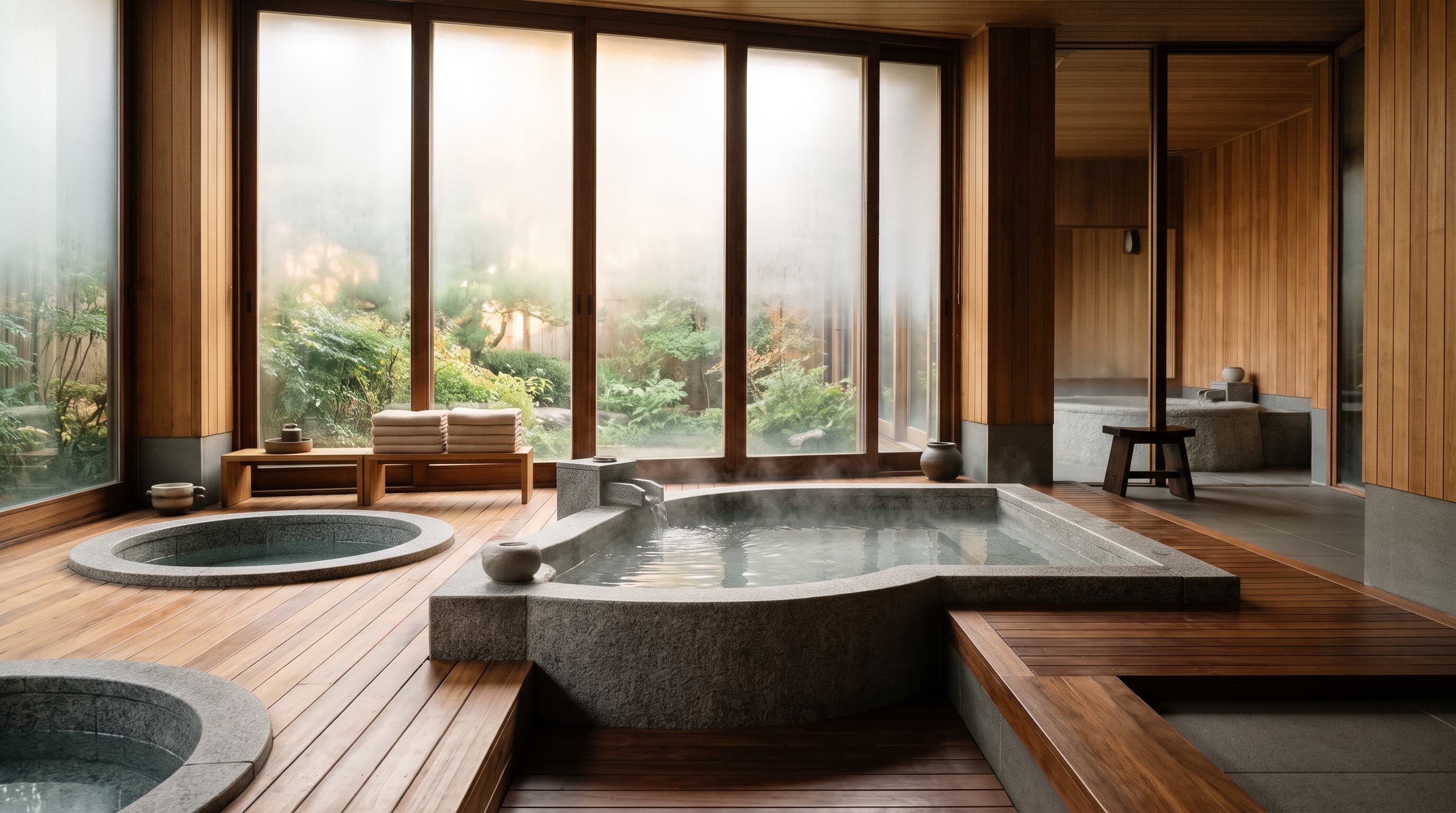
Enter fully unclothed in single-gender wet baths after a thorough seated pre-wash, wear provided loungewear in unisex heated rooms, and never photograph inside wet zones.
1. Understanding the Dual Structure: Mogyoktang Versus Jjimjilbang
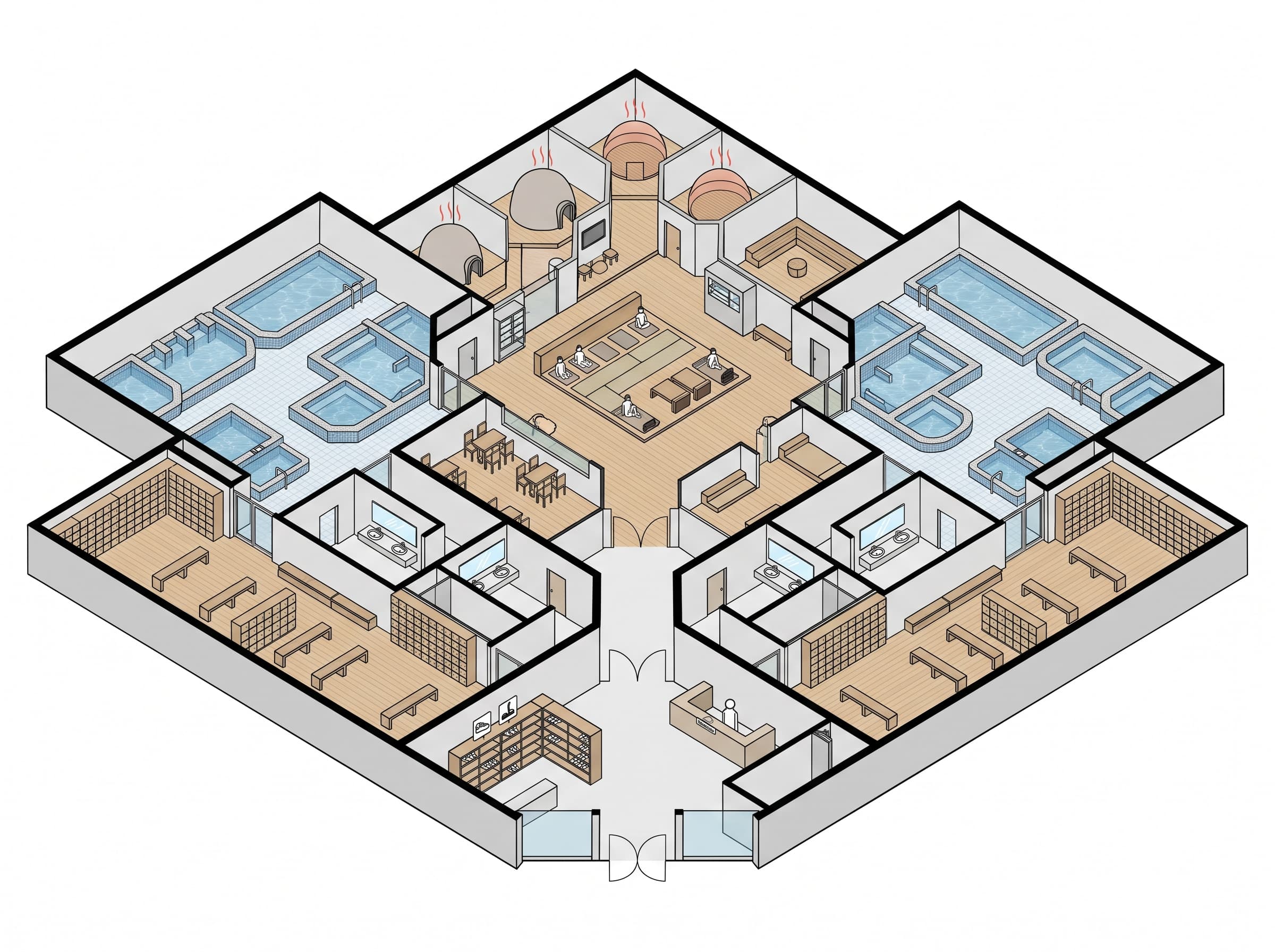
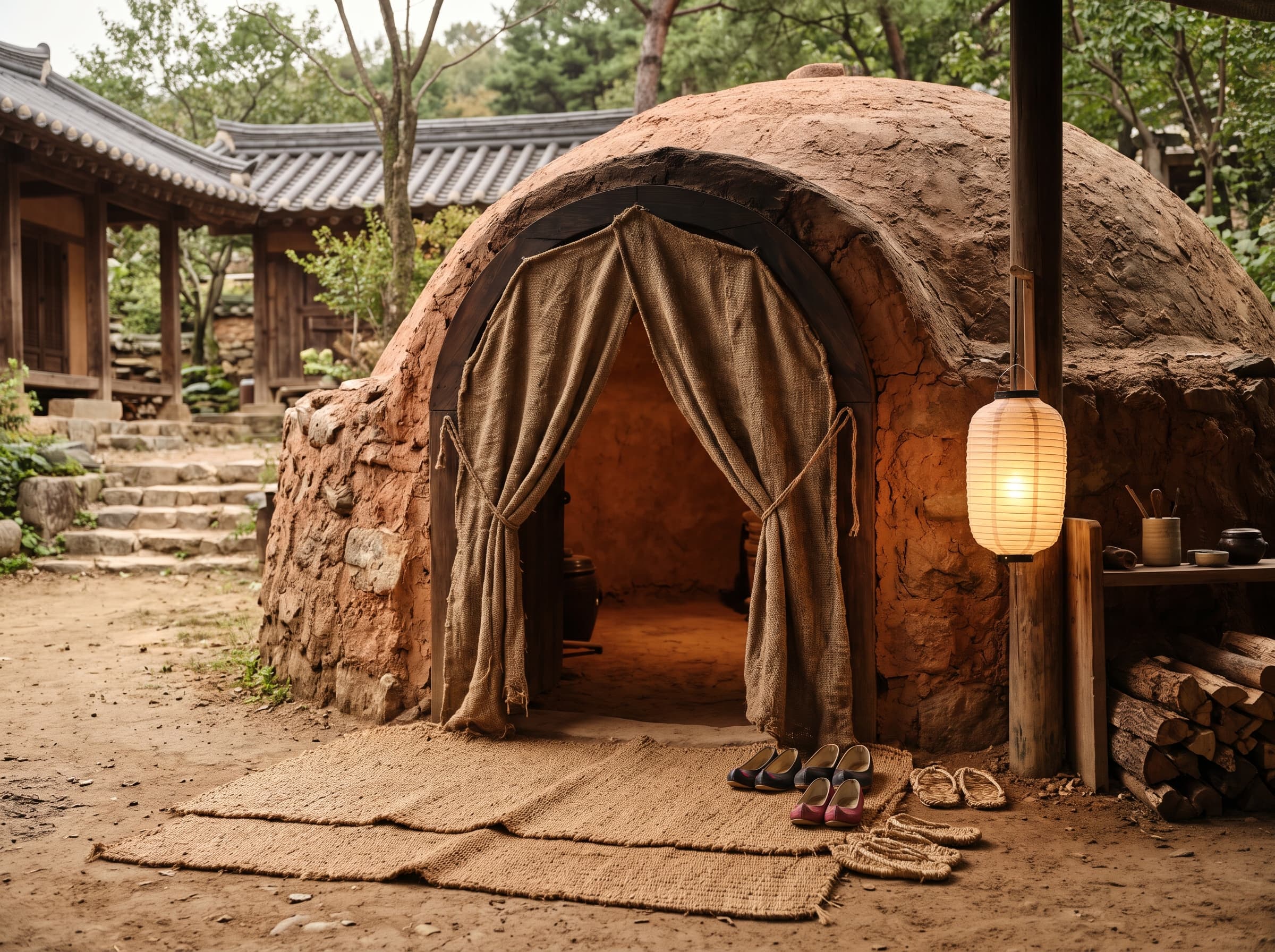
A common point of confusion for first-time visitors to Korea is distinguishing between a traditional bathhouse (mogyoktang) and a full-scale thermal leisure facility (jjimjilbang). A mogyoktang is strictly a gender-segregated wet bathhouse dedicated to personal hygiene, soaking in temperature-controlled mineral pools, and body scrubbing. In contrast, a jjimjilbang incorporates these gender-segregated bath facilities while adding expansive coed communal halls, heated specialty kilns (hanjeungmak), sleeping rooms, cafes, and entertainment amenities. Knowing which zone you are entering determines everything from your clothing requirements to your social conduct, ensuring you move through the space without friction.
The entry procedure establishes the organizational flow of the entire visit. Upon stepping through the front doors, guests remove outdoor footwear immediately and place it into a numbered shoe locker at the reception vestibule. After locking the footwear and handing the shoe key to the front desk, guests pay the entry fee. According to price monitoring data from the Korea Consumer Agency True Price portal as of September 2026, adult public bathhouse entry fees across regional jurisdictions average between 8,100 KRW and 11,000 KRW, with Seoul averaging 11,000 KRW4. However, entry fees vary widely by facility category: standard neighborhood mogyoktang charge around the municipal baseline, whereas large multi-story urban jjimjilbang complexes with extensive kiln and relaxation zones routinely charge between 11,000 KRW and upwards of 20,000 KRW depending on day versus overnight admission, with rates subject to change based on local operational circumstances4. Upon payment, the desk provides establishment loungewear (jjimjilbok) and small face towels, alongside an electronic wristband that operates your clothing locker and acts as an in-house charge key3.
2. Gender Segregation and Statutory Age Thresholds
Gender separation within Korean bathhouses is rigorous, systematic, and codified into national legislation. In accordance with Article 7 and Annex 4 of the Enforcement Rule of the Public Health Control Act, bathhouse operators are legally prohibited from admitting male and female patrons into the same changing rooms and bathing halls once a child reaches 4 years of age (48 months)1. This threshold, revised to safeguard personal modesty and public decorum, means parents traveling with young children of the opposite sex must plan accordingly; a mother cannot take her five-year-old son into the women's wet bath, nor can a father accompany his four-year-old daughter into the men's soaking zone1.
Furthermore, the statutory hygiene management standards dictate that operators of 24-hour bathhouse businesses must restrict unaccompanied minors from entering or remaining inside between 22:00 and 05:00 the following morning, unless accompanied by a parent or legal guardian or carrying an authorized parental consent form1. Outside the wet areas, in the coed common lounging halls, gender integration is welcomed, provided all patrons wear the standardized establishment-issued cotton garments (jjimjilbok) as mandated under public hygiene standards1. These statutory parameters ensure order and safety across day and overnight operating cycles.
3. Wet Zone Protocols: The Pre-Wash and Tub Etiquette
Crossing from the locker room into the mogyoktang wet area requires complete disrobing. Swimsuits, water shoes, underwear, and robes are entirely prohibited inside the hot and cold mineral baths3. For newcomers, stripping down in a communal setting can trigger initial self-consciousness, but local etiquette treats nudity purely functionally: everyone is unclothed, and overt staring is considered an invasive social breach. The paramount golden rule of the wet zone is the mandatory pre-wash: entering any shared soaking tub without thoroughly cleansing your entire body at a shower post or wash stall beforehand is strictly unacceptable3.
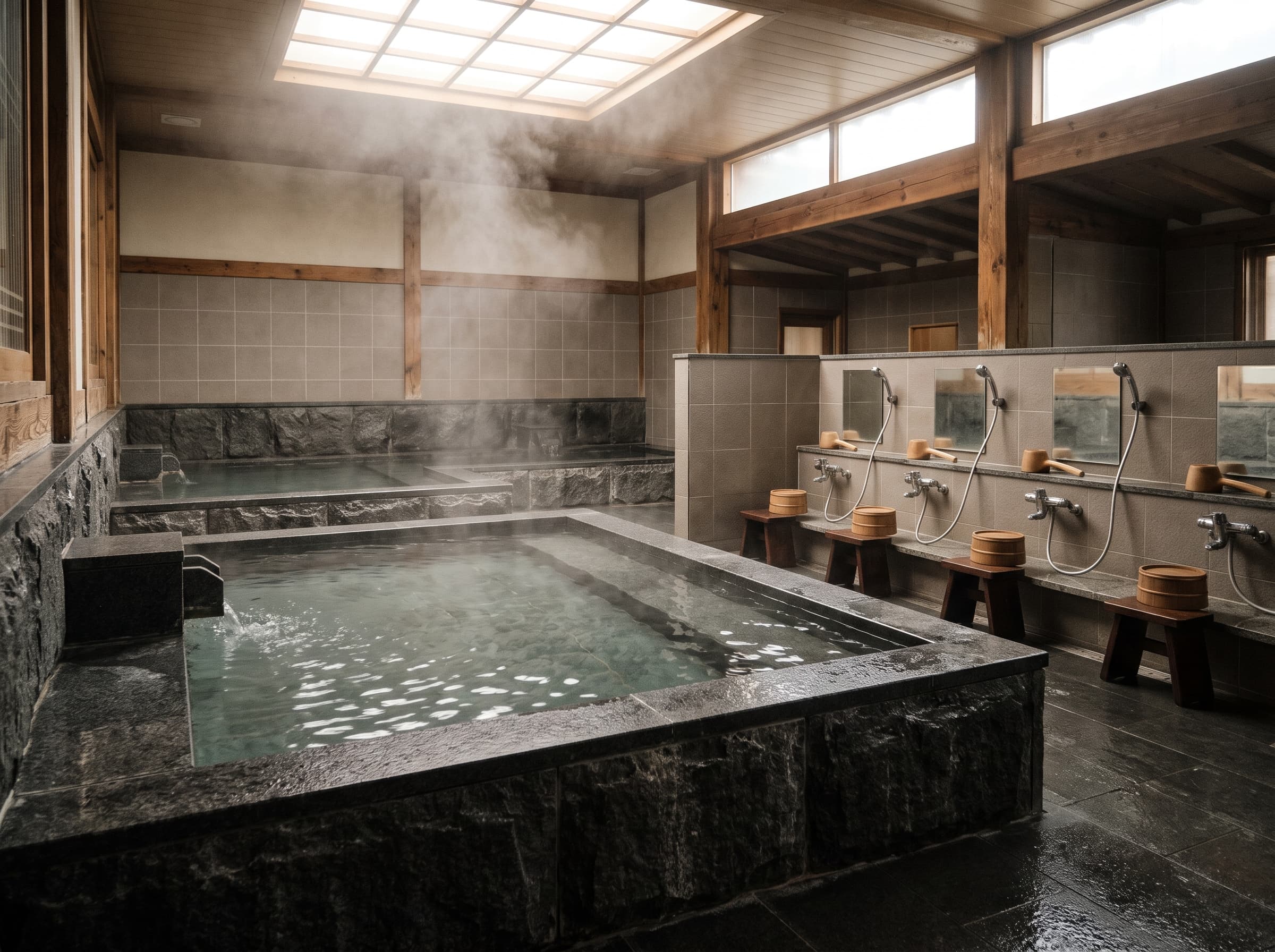
The bathing area is lined with both standing shower stations and traditional seated wash stations equipped with low plastic stools, mirrors, and plastic washbasins. When selecting a seated station, sit squarely on the stool and adjust your handheld shower wand downward to prevent spraying soap suds or water onto neighboring bathers3. After scrubbing down, applying soap, and shampooing, you must rinse your body completely before approaching the communal baths3. Once finished at the stall, etiquette dictates that you rinse down the stool, mirror, and washbasin with clear water and stack them neatly for the next guest.
When stepping into the soaking pools—which vary in temperature from warm and hot to cold plunge pools—you must keep the communal water clean. Long hair must be tied securely above the collarbone or tucked inside a shower cap so that no loose strands float in the shared water. Similarly, the small face towels provided by the facility must never be submerged or wrung out inside the bath water; visitors fold them neatly and balance them atop their heads or place them on the dry granite ledge adjacent to the pool. Vigorous swimming, splashing, diving, or underwater holding of breath is strictly discouraged, as these mineral pools are designed exclusively for tranquil thermal relaxation.
4. Navigating the Communal Hall: Loungewear and Lounging Conduct
After soaking, scrubbing, and drying off thoroughly in the designated grooming area of the locker room, visitors slip into the provided jjimjilbok—a lightweight two-piece uniform consisting of a loose t-shirt and shorts. Wearing this uniform is legally required under the Public Health Control Act Enforcement Rule for anyone utilizing the unisex communal heating chambers and public halls1. Walking into the common hall in personal clothing, wet towels alone, or undergarments is prohibited. In this expansive common room, heated hardwood or stone floors welcome patrons to lounge, read, stretch, or take restful naps3.
Communal floor etiquette centers on considerate spatial awareness. Stackable thin padded sleeping mats and hard wooden or foam headrest blocks are stored in open cubbies around the perimeter. Patrons are expected to take only one mat and one pillow per person. Reserving sleeping spaces with personal belongings while wandering elsewhere is heavily frowned upon. Noise levels should be kept low: conversations should remain at a murmur, headphones are mandatory when listening to audio or streaming media on personal mobile devices, and children must be restrained from running across the floor.
Sampling classic bathhouse refreshments is an integral ritual in the shared hall. The in-house snack bar serves iconic Korean bath delicacies: sikhye (a sweet, chilled fermented rice drink served with cracked ice) and slow-roasted eggs cooked over heated mineral stones3. Transactions are handled seamlessly by scanning your assigned electronic locker wristband, with charges consolidated to your account for payment when exiting the facility at the front cashier3. Visitors using hot saunas exceeding 60°C are advised to limit exposure to around 20 minutes to prevent dehydration, starting with lower-temperature rooms between 30°C and 40°C3.
| Zone Category | Dress Code Standard | Key Behavioral Mandates | Photography Status |
|---|---|---|---|
| Wet Baths (Mogyoktang) | Total nudity mandatory; no swimwear or footwear permitted | Full body pre-wash required; keep hair tied and towels out of tub water | Strictly prohibited by criminal law; zero tolerance |
| Sweat Kilns (Hanjeungmak) | Establishment-issued cotton uniform (jjimjilbok) required | Remove electronic devices and metal jewelry; limit sessions to 10-15 minutes | Permitted only if entirely unoccupied and unobtrusive |
| Communal Hall (Jjimjilbang) | Establishment-issued cotton uniform (jjimjilbok) required | One sleeping mat per guest; soft speaking volume; headphones required for media | Permitted for casual selfies; must avoid capturing other resting guests |
| Locker & Vanity Area | Nudity or drying off with designated towels | Clean fallen hair around grooming stations; do not monopolize hair dryers | Strictly prohibited; phones must remain stowed in lockers or pockets |
5. Legal Constraints, Privacy Laws, and Health Contraindications
The rule regarding photography inside the gender-segregated changing rooms and wet bathing facilities is not merely facility etiquette; it is backed by severe criminal penalties. Under Article 14 of the Special Act on the Punishment of Sexual Crimes, using a camera or any mechanical recording device to capture another person's body against their will in spaces where modesty is expected is punishable by up to 7 years of imprisonment or a fine of up to 50 million KRW2. Even holding an illuminated smartphone facing outward in the locker room or tub area can cause severe distress and prompt immediate intervention by staff or local police. Smartphones should be secured inside your assigned locker before entering the wet areas.
Health and safety standards are explicitly posted outside sweat chambers under public hygiene regulations. Annex 4 of the Public Health Control Act Enforcement Rule requires operators to display visible safety warnings barring or cautioning specific categories of users from entering heated sweat kilns1. These statutory warnings explicitly cover individuals with systolic blood pressure of 180 mmHg or higher, patients with severe cardiovascular diseases, pregnant women, high-fever cold sufferers, and anyone who has consumed alcohol within the previous 2 hours1.
Furthermore, operators are mandated by hygiene regulations to maintain safe operating standards and deny entry to individuals with communicable skin conditions or overt drunkenness that could endanger public welfare1. While traditional cultural taboos surrounding decorative tattoos have softened significantly across metropolitan Seoul, facilities with conservative management or smaller neighborhood footprints may still ask heavily tattooed patrons to cover ink with adhesive patches or refrain from using shared tubs. When in doubt, checking specific house rules at the reception desk avoids unexpected misunderstandings.
6. Practical Exit Procedures and Final Checklist
Concluding a jjimjilbang visit requires returning through the locker facilities in reverse order. Before stepping out of the wet bath area back into the carpeted dressing room, use your face towel to dry your skin and feet completely. Stepping onto changing room floor runners while dripping wet is viewed as inconsiderate to other guests walking in socks or bare feet. In the grooming vanity area, amenities like cotton swabs, hair tonics, lotions, and shared hair dryers are generally provided for guest convenience.
Once dressed in your street clothes, place used towels and the cotton uniform into designated laundry hampers near the locker exit. Proceed to the front reception desk with your electronic wristband. The cashier will scan the band to process any charges incurred for food, drinks, or scrubbing treatments during your stay3. Once the balance is cleared, the system releases the electronic latch on your shoe locker, allowing you to retrieve your footwear and exit smoothly.
Frequently asked questions
Q. Can I wear a bathing suit or underwear into the wet soaking tubs?
A. No. All patrons must be completely unclothed in the gender-segregated wet bathing halls. Swimwear, underwear, and synthetic clothing are strictly forbidden in the soaking pools to maintain water purity.
Q. What is the legal age limit for opposite-gender children in bathhouses?
A. Under South Korea's Public Health Control Act Enforcement Rule, children aged 4 years (48 months) and older are legally prohibited from entering opposite-gender changing rooms and wet baths.
Q. Are visible tattoos allowed in Korean jjimjilbangs?
A. While public regulations do not ban tattoos, private facility policies vary. Large, prominent tattoos may cause discomfort in conservative neighborhood baths. Applying waterproof tape or patches is recommended if visiting traditional facilities.
Q. How do I pay for food and snacks inside the communal areas?
A. You do not need cash inside. Purchases at the snack bar or vending machines are billed to your electronic wristband key and settled at the front reception desk upon final checkout.
Sources
- 공중위생관리법 시행규칙 [별표 4] 공중위생영업자가 준수하여야 하는 위생관리기준 등(제7조관련)국가법령정보센터 (보건복지부)
- 성폭력범죄의 처벌 등에 관한 특례법 제14조(카메라 등을 이용한 촬영)국가법령정보센터 (법무부)
- Relax, Eat, and Have Fun at the K-Jjimjilbangs That Even Idols Love! - VISITKOREAKorea Tourism Organization (VISITKOREA)
- 한국소비자원 참가격 > 서비스가격정보 > 개인서비스요금한국소비자원 (참가격)