 Korea Experience Finder
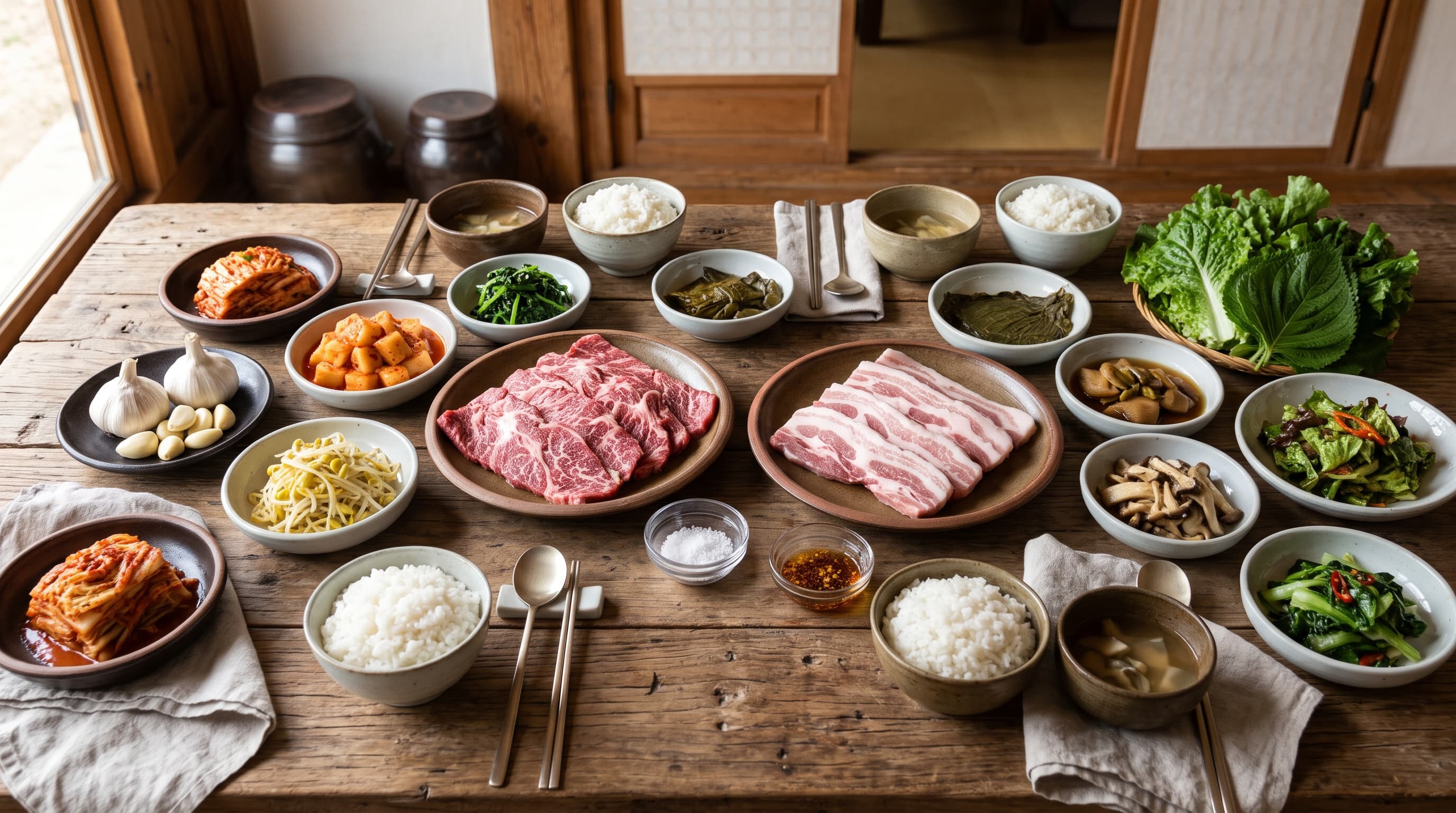
Navigating gluten-free dining in South Korea requires strict caution because fermented staples like gochujang and soy sauce contain wheat. Packaged items must disclose wheat under South Korea's 19 mandatory allergens, but dining out requires tailored Korean allergy cards and choosing naturally safe dishes like plain grilled meats or unseasoned rice dishes.
The Korean Context: Epidemiology and Dining Awareness
For travelers diagnosed with celiac disease or severe wheat allergies, South Korea presents a paradox. While the traditional dietary baseline is anchored in steamed short-grain rice rather than wheat bread, ambient awareness of autoimmune gluten intolerance across local commercial kitchens remains minimal. A systematic review and meta-analysis of celiac disease across Asia estimated a pooled seroprevalence of 1.6% and a pooled biopsy-proven prevalence of 0.5%, with documented cases heavily clustered in South Asia and the Middle East rather than East Asian countries1. Due to this historically low clinical recognition across East Asia, generalized public familiarity with gluten-induced enteropathy is limited.
The documented scarcity of celiac diagnoses in South Korea shapes everyday food culture. Most restaurant proprietors and kitchen workers understand allergic reactions primarily through acute anaphylactic triggers such as peanuts, shellfish, or buckwheat. The concept of trace intestinal mucosal injury triggered by parts-per-million cross-contact from barley or wheat-fermented condiments is unfamiliar to standard kitchen teams. Consequently, assuring a server that you cannot eat flour will rarely alert them to the hidden wheat lurking inside fermented paste bases, meat marinades, or soup stocks.
Hidden Gluten in Core Korean Condiments and Staples
The primary operational hazard for celiac diners in Korea is not visible bread or noodles, but the traditional fermented seasoning pastes known collectively as 'jang'. Traditional and modern industrial Gochujang (fermented chili paste) routinely relies on wheat flour, barley malt, or fermented wheat starch to cultivate viscosity, sweetness, and active fermentation kinetics. Unless a kitchen deliberately stocks a certified alternative formulated solely with glutinous rice and tapioca, commercial gochujang is unsafe for celiac consumption. Similarly, mainstream Ganjang (soy sauce) utilizes equal portions of soybeans and cracked wheat during brewing, and standard Doenjang (soybean paste) or Ssamjang (dipping paste) frequently incorporates wheat grain as an affordable fermentation substrate.
Beyond pastes, animal proteins and street items harbor concealed binders and seasonings. Processed fishcakes (eomuk) utilize wheat starch as an elastic binding agent, contaminating the simmering broth carts found across street markets and transit hubs. Bulgogi, galbi, and braised dishes (jorim) depend heavily on wheat-brewed soy sauce, while standard restaurant broth powders (dashida) often incorporate wheat-derived ingredients. Even sweet potato glass noodles (dangmyeon) used in japchae, which are naturally gluten-free in their dehydrated state, are wok-tossed in soy sauce and sesame oil. Safe dining thus begins by categorizing traditional dishes according to their preparation chemistry.
Evaluating Safe Versus High-Risk Menu Choices
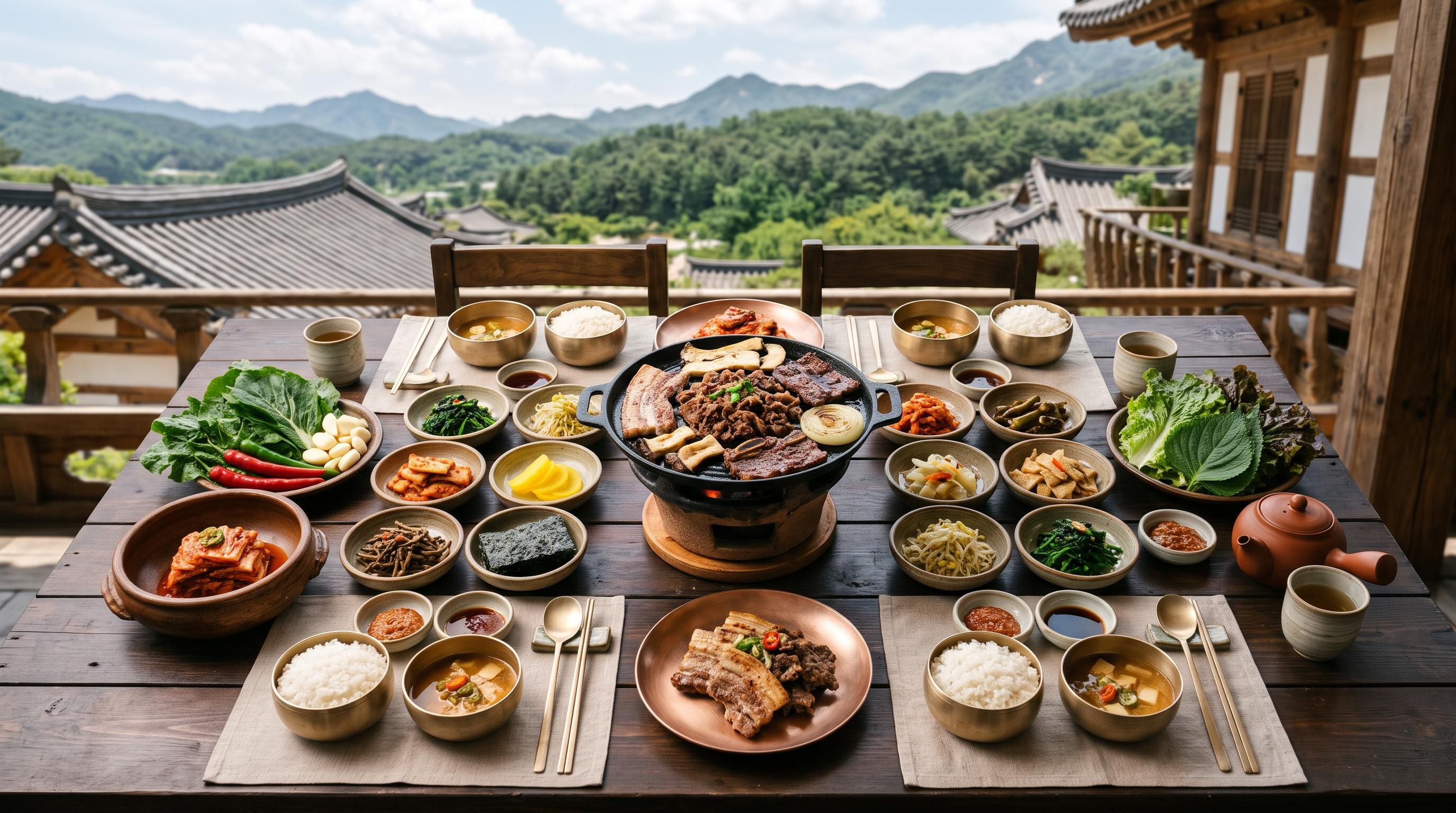
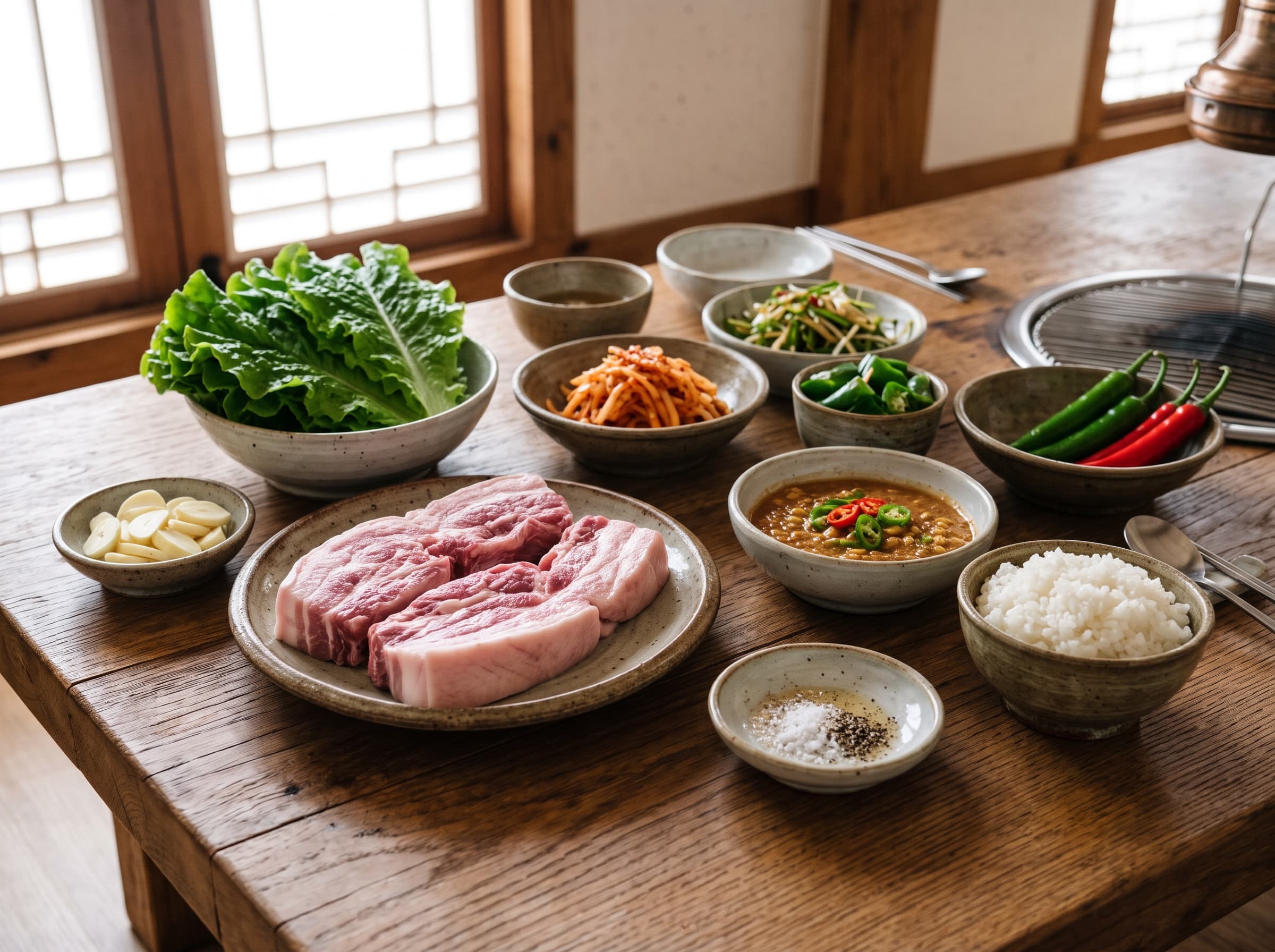
Managing a celiac itinerary does not mean subsisting exclusively on packaged rations. South Korea offers several whole-food dining experiences where the risk of covert gluten ingestion can be effectively mitigated. Korean barbecue houses serving fresh, non-marinated cuts (saeng-gogi)—such as pork belly (samgyeopsal), pork neck (moksal), or unmarinated beef sirloin (deungsim)—provide an inherently safe protein base when grilled on clean surfaces without pre-applied marinades. Diners should substitute sauce dips with pure toasted sesame oil blended with coarse sea salt (gireumjang), and wrap meats exclusively in fresh perilla or lettuce leaves rather than pre-mixed ssamjang.
Conversely, street food zones and communal buffet establishments demand total avoidance. Deep-fry vats in night markets share oil among battered chicken, hot dogs, dumplings, and rice cakes. Even pure buckwheat noodles (memil-guksu or naengmyeon) frequently involve wheat flour additions to facilitate structural elasticity, while noodle broths regularly contain hydrolyzed wheat protein. The matrix below details the structural risk parameters across common dining categories in South Korea.
| Dining Category | Primary Risk Factor | Typical Contaminant | Risk Profile | Execution Protocol |
|---|---|---|---|---|
| Unmarinated BBQ (Saeng-gogi) | Shared tabletop grill & side sauces | Soy marinade residue, ssamjang | Moderate (Manageable) | Request a cleaned grill; season exclusively with salt and pure sesame oil. |
| Plain Rice Soups (Gomtang/Seolleongtang) | Pre-boiled soup seasonings & added noodles | Hidden somyeon noodles, bouillon cubes | High | Specify no noodles; confirm soup is made purely from bone decoction without premix powders. |
| Raw Fish (Hoe / Sashimi) | Shared cutting boards & dipping condiments | Brewed soy sauce, cho-gochujang | Low to Moderate | Bring personal gluten-free tamari; verify no sauce dressing touches the platter. |
| Street Food (Bunsik) | Shared oil, shared ladles, starch binders | Wheat flour, barley malt, eomuk broth | Extreme (Avoid) | Do not consume street tteokbokki, twigim, or skewers due to pervasive cross-contact. |
| Bibimbap | Seasoned vegetable banchan & mixed sauce | Wheat gochujang, soy-sautéed greens | High | Request unseasoned vegetables if available, no gochujang, or supply certified paste. |
South Korean Labeling Standards and Packaged Food Realities
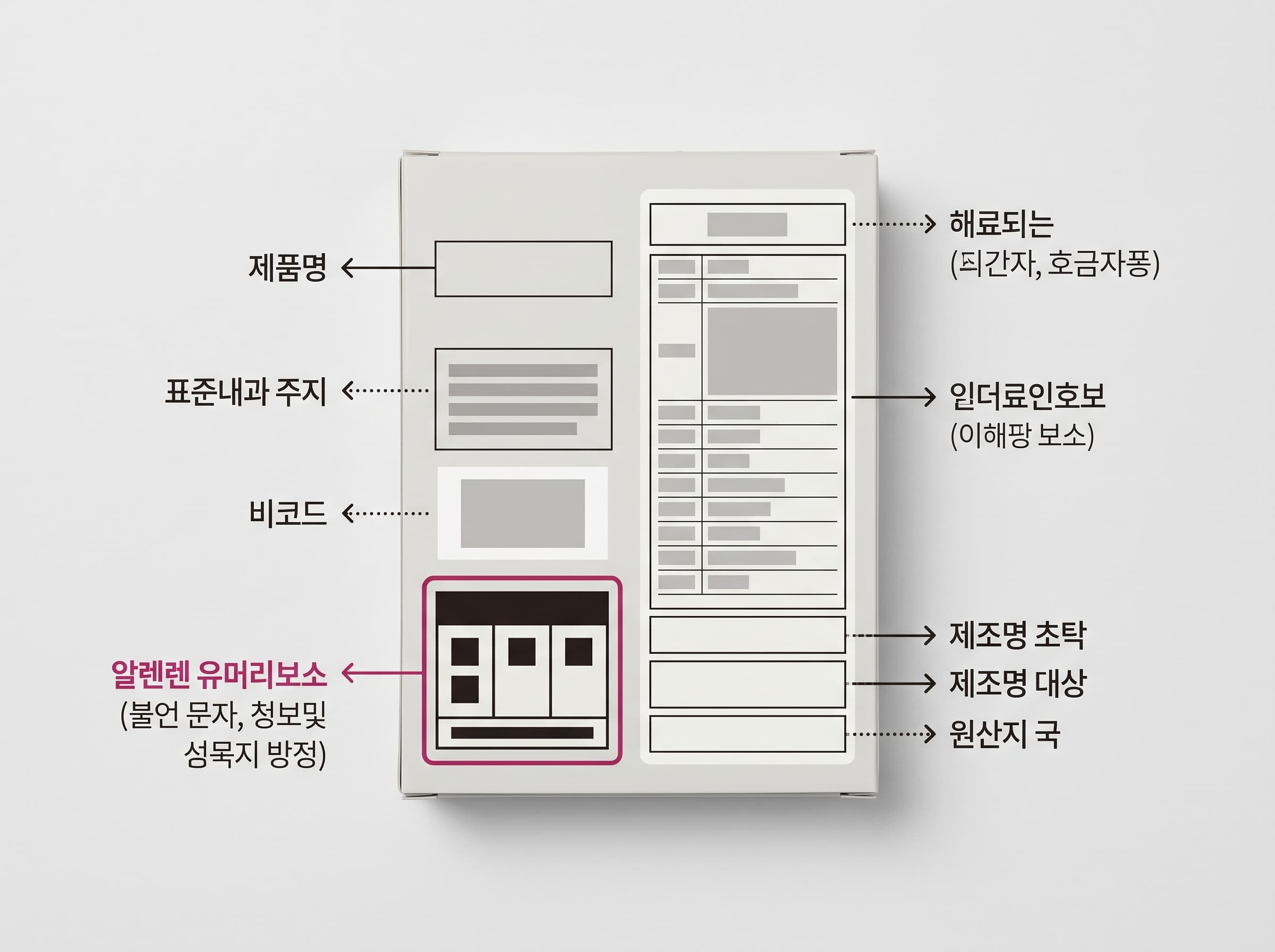
For self-catering and packaged goods, South Korea operates a comprehensive allergen warning framework codified by the Ministry of Food and Drug Safety. Under Article 5, Paragraph 1 and Annex 2 of the Enforcement Rule of the Act on Labeling and Advertising of Foods, manufacturers are legally mandated to declare allergens in an explicit, distinct declaration section if any of 19 specified allergenic raw materials are used: eggs (poultry only), milk, buckwheat, peanuts, soybeans, wheat, mackerel, crab, shrimp, pork, peaches, tomatoes, sulfurous acid (when residual SO2 in the final product reaches 10 mg/kg or more), walnuts, chicken, beef, squid, shellfish (including oysters, abalone, and mussels), or pine nuts2. Furthermore, when shared manufacturing equipment presents an inevitable risk of cross-contact, facilities must print a cautionary advisory statement2. If wheat is used as a formulated ingredient, '밀' (Mil - Wheat) must appear clearly in the allergen panel2.
However, reading labels demands caution regarding voluntary 'gluten-free' claims. Korean administrative guidelines stipulate that a product may only be labeled as '무글루텐' (Gluten-Free) if it contains 20 milligrams per kilogram (20 mg/kg or 20 ppm) or less of total gluten, derived from non-gluten ingredients or processed to remove gluten2. Market surveillance conducted by the Korea Consumer Agency revealed significant discrepancies: among 30 commercially distributed products carrying 'Gluten-Free' labeling, 5 products (16.7%) exceeded the 20 ppm statutory threshold, with measured levels reaching up to 3,500 ppm—175 times the allowable limit3. Furthermore, 40.0% of inspected items exhibited labeling omissions regarding essential statutory details such as allergen declarations3. Travelers with celiac disease should look for items bearing the domestic certification seal of the Korea Gluten Free Certification (KGFC), established under group standards to audit gluten levels below 20 mg/kg from raw ingredients through processing, or certified imported items rather than relying solely on generic marketing text4.
Communication Tactics: Allergy Cards and Kitchen Inquiries
Verbal communication in restaurants requires explicit phrases rather than broad Western terms. Translating 'gluten-free' into phonetic Korean ('글루텐 프리' - geul-lu-ten peu-ri) often results in pleasant nods that mask total lack of comprehension. Kitchen personnel frequently conflate gluten with MSG, dairy, or simple vegetarianism. A functional dining card must explain the physiological severity of contamination, specify exact offending grains, and rule out all fermented wheat-based seasonings.
Ensure your written Korean travel card incorporates the following clear parameters: '저는 밀, 보리, 호밀에 심각한 알레르기(셀리악병)가 있습니다. 밀가루 음식뿐만 아니라 간장, 고추장, 된장, 쌈장, 라면 사리, 튀김가루, 시판 육수 분말이 들어간 음식도 일절 먹을 수 없습니다. 작은 양이라도 섞이면 심각한 질환이 발생하므로 양념되지 않은 신선한 고기나 채소, 흰 쌀밥만 조리해 주십시오.' (I have a severe autoimmune condition/allergy to wheat, barley, and rye. I cannot consume wheat flour, nor foods containing soy sauce, gochujang, doenjang, ssamjang, noodles, batter, or commercial broth powders. Even trace amounts cause severe illness, so please prepare unseasoned meats, vegetables, and plain white rice). Present this card before seating, allowing the proprietor to decline service transparently if their prep station cannot prevent cross-contamination.
Self-Catering Strategies and Emergency Preparedness
Travelers requiring strict cross-contamination control should consider accommodations with personal kitchenettes, such as serviced residences or apart-hotels. Major metropolitan supermarket chains stock instant microwavable rice (such as CJ Haetban), but consumers must exercise caution: only pure white rice varieties (순수 백미 즉석밥), formulated strictly with white rice, water, and rice bran extract, represent safe staples. In contrast, multi-grain instant bowls (such as Ogokbap or Chapboribap) and pre-packaged cup-rice products (Cupban) frequently contain gluten-rich barley grains or pre-mixed soy seasoning sauces, posing immediate danger to celiac diners and necessitating careful ingredient re-verification. Fresh eggs, unseasoned plain tofu, raw produce, and unmarinated fresh butcher meats remain dependable self-catering foundations.
Carry single-serve travel pouches of certified gluten-free tamari or coconut aminos, as domestic restaurants will rarely possess wheat-free alternatives. For medical contingencies, register emergency healthcare translation services via the Korea Tourism Organization helpline (1330), which operates 24/7 multilingual support. In the event of acute accidental ingestion, travelers experiencing severe allergic reactions should seek emergency care at university medical center international clinics (accessible via emergency dispatch number 119). Travelers must carry adequate physician-prescribed medications, including auto-injectable epinephrine for anaphylactic wheat allergies, stored in compliance with aviation transit regulations.
Frequently asked questions
Q. Is traditional Korean kimchi safe for people with celiac disease?
A. Not automatically. While traditional kimchi consists of cabbage, radish, chili powder, and salt, many commercial brands and restaurants incorporate glutinous rice paste or wheat flour slurry to accelerate fermentation, as well as soy sauce or premixed seasonings containing wheat. Diners must verify the absence of wheat (밀) on package labels or confirm the recipe with the chef.
Q. Can I eat Korean sweet potato glass noodles (japchae)?
A. The pure dry starch noodles (dangmyeon) are naturally gluten-free as they are extruded from 100% sweet potato starch. However, restaurant japchae is routinely stir-fried with wheat-brewed soy sauce, pre-marinated beef, and seasoned broth powders, rendering standard restaurant servings unsafe unless prepared custom with certified wheat-free condiments.
Q. How do Korean food labeling laws handle wheat cross-contamination?
A. South Korean labeling regulations mandate that manufacturers declare wheat in an explicit allergen box whenever it is an intentional ingredient. Additionally, manufacturers must provide a precautionary warning statement (e.g., 'Manufactured in a facility that also processes wheat') if shared equipment poses an unintentional cross-contact hazard.
Sources
- Prevalence of celiac disease in Asia: A systematic review and meta-analysisJournal of Gastroenterology and Hepatology (PubMed)
- 식품등의 표시ㆍ광고에 관한 법률 시행규칙국가법령정보센터
- 일부 ‘무글루텐’ 표시 식품, 글루텐 함량 기준 초과식품저널
- 한국 글루텐프리 인증 1호 주인공은 ‘농심미분’식품음료신문