 Korea Experience Finder
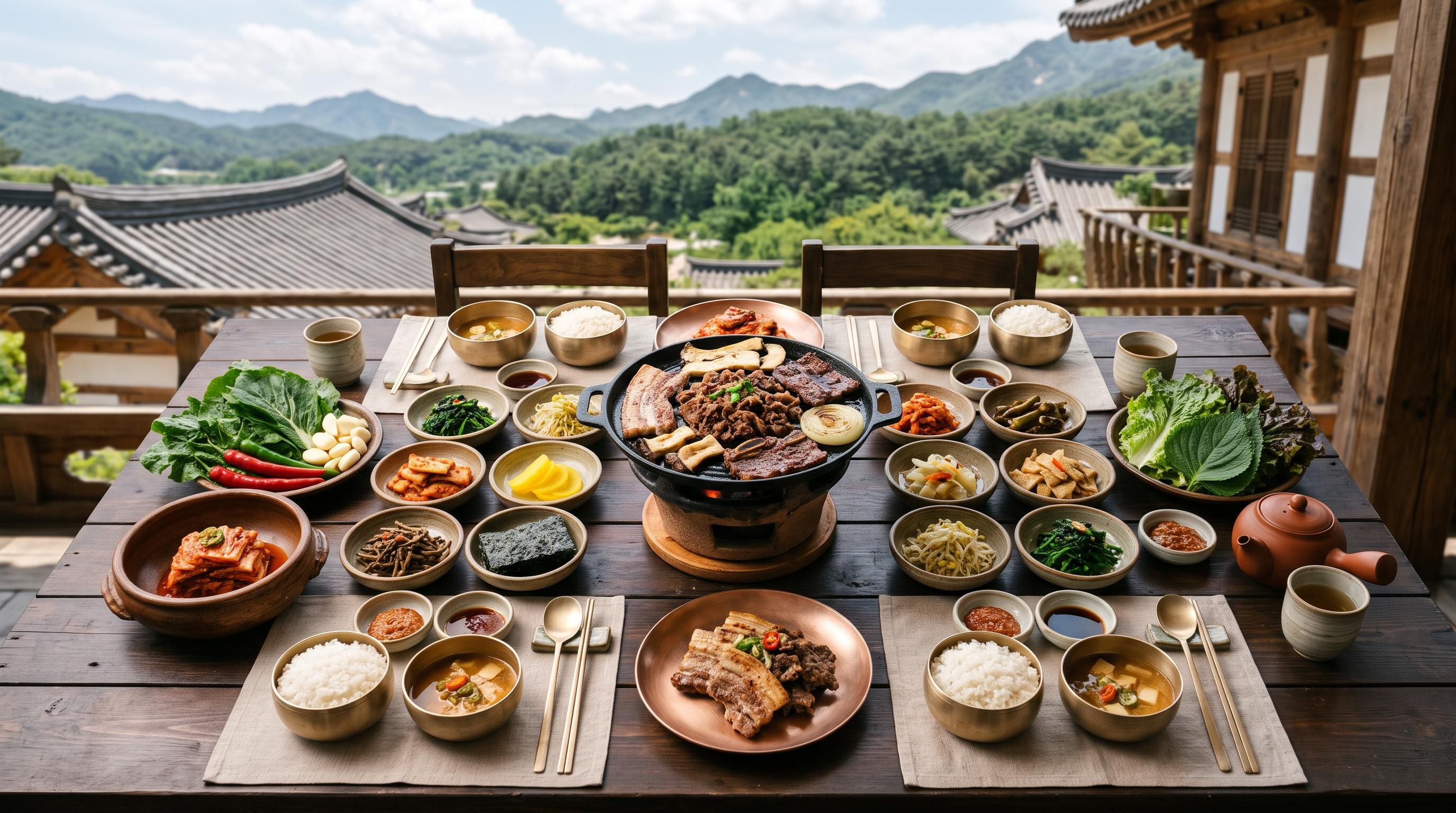
Safely manage peanut and tree nut allergies in South Korea by carrying dual autoinjectors, presenting explicit Korean allergy cards, verifying broths, and using 119 or 1330 for help.
Understanding Allergen Labeling Laws and Restaurant Scope in South Korea
Travelers with IgE-mediated food allergies must understand that South Korea's statutory labeling protections apply differently to packaged retail items and independent sit-down restaurants. Under Annex 2 of the Enforcement Rule of the Act on Labeling and Advertising of Foods, the Ministry of Food and Drug Safety designates 19 specific allergenic materials that require mandatory disclosure on manufactured foods: poultry eggs, milk, buckwheat, peanut, soybean, wheat, mackerel, crab, shrimp, pork, peach, tomato, sulfur dioxide (when exceeding 10 mg/kg in the final product), walnut, chicken, beef, squid, shellfish (including oyster, abalone, and mussel), and pine nut1. Furthermore, manufactured packaged products produced on shared production machinery must carry cautionary statements noting potential cross-contact with these substances1.
A critical vulnerability for nut-allergic travelers lies in the legal definition of nuts under Korean regulations. The law specifically mandates only peanuts, walnuts, and pine nuts on mandatory ingredient labels1. Other botanical tree nuts—such as almonds, cashews, pistachios, hazelnuts, macadamia nuts, and pecans—are not listed as individual statutory categories among the 19 mandatory allergens1. While franchised restaurants with 50 or more locations (under the Special Act on Safety Management of Children's Dietary Life) face nutritional and allergen posting rules, independent local eateries are not legally mandated to publish comprehensive written allergen binders for every dish on their menus. Diners must actively query kitchen staff about every botanical tree nut individually rather than relying on a generic declaration.
Nutrient Profiles and Epidemiology: Why Nut Awareness Differs Locally
The public perception of food allergies in South Korea differs considerably from regions like North America or Western Europe, driven largely by different epidemiological rates. In a nationwide, population-based study of 29,842 analyzed Korean schoolchildren aged 6 to 16 years, the prevalence of current immediate-type peanut allergy was 0.22%, while the prevalence for the tree nut group combined was 0.32%2. Although peanut was the leading single causative food of food-induced anaphylaxis among these schoolchildren at 0.08%, the overall population prevalence remains lower than North American childhood rates, which often exceed 1%2.
Among Korean adults, clinical presentations also diverge. A cross-sectional single-center study examining 812 adult patients presenting with suspected food allergies diagnosed 415 individuals, identifying fruits with pollen food allergy syndrome (37.3%), crustaceans (26.7%), and wheat (15.1%) as the leading culprits3. Within this diagnosed adult cohort, peanuts accounted for 7.4% and walnuts for 6.0% of cases3. Because severe reactions to tree nuts and peanuts are less commonly encountered by casual neighborhood restaurant operators, service staff may mistake an allergy request for personal dietary preference unless the severity is communicated in explicit medical terms.
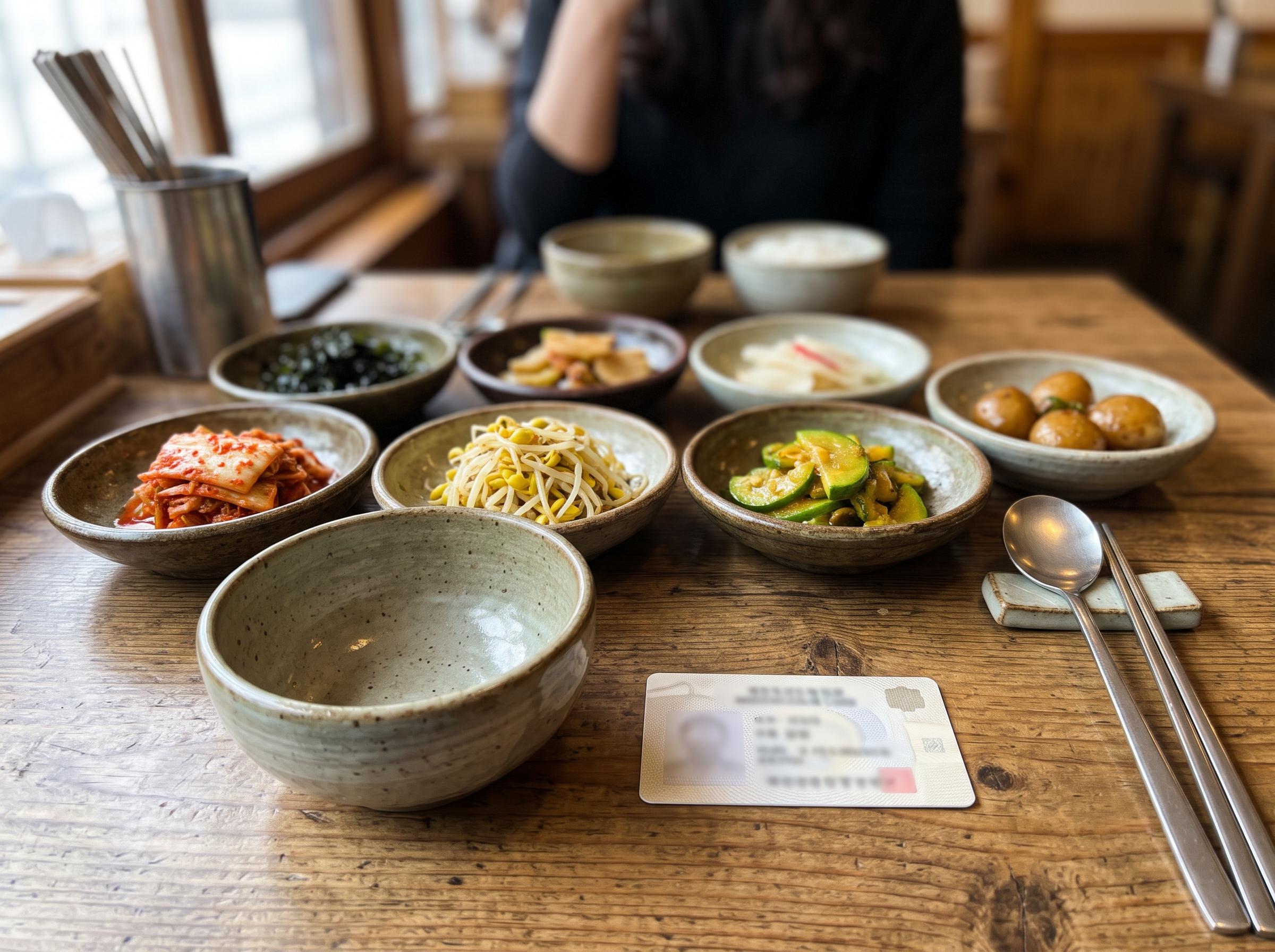
Evaluating High-Risk Korean Dishes Versus Safer Culinary Options
Standard cooking oil in conventional Korean restaurants rarely poses a peanut hazard. Commercial fryers and woks across the peninsula almost exclusively utilize soybean oil, corn oil, or canola oil due to pricing and frying stability. Pure peanut oil is uncommon in traditional Korean kitchens, though it occasionally appears in pan-Asian, Chinese, or high-end fusion establishments. However, intact nuts, seed pastes, and crushed nut powders appear frequently across traditional garnishes, dressings, and side dishes.
The primary risk points stem from hidden seasonings and garnishes. Ground peanuts or peanut powders are frequently mixed into spicy dipping sauces, cold soybean noodle broths (kongguksu) to enhance nutty richness, and market street foods like seed-filled griddle cakes (ssiat hotteok). Pine nuts (jat) are a prestigious traditional garnish used whole or ground atop braised short ribs (galbi-jjim), minced beef patties (tteokgalbi), royal hot pots (sinseollo), and sweet persimmon punch (sujeonggwa). Additionally, traditional seasoned pastes like ssamjang can occasionally contain mixed nut meal. Travelers sensitive to acorns must exercise extra care with acorn starch jelly (dotorimuk), which derives from the Fagaceae beech family and presents cross-reactivity concerns for certain tree nut patients.
| Dining Category | Potential Allergen Triggers | Risk Factor Level | Recommended Safety Checkpoint |
|---|---|---|---|
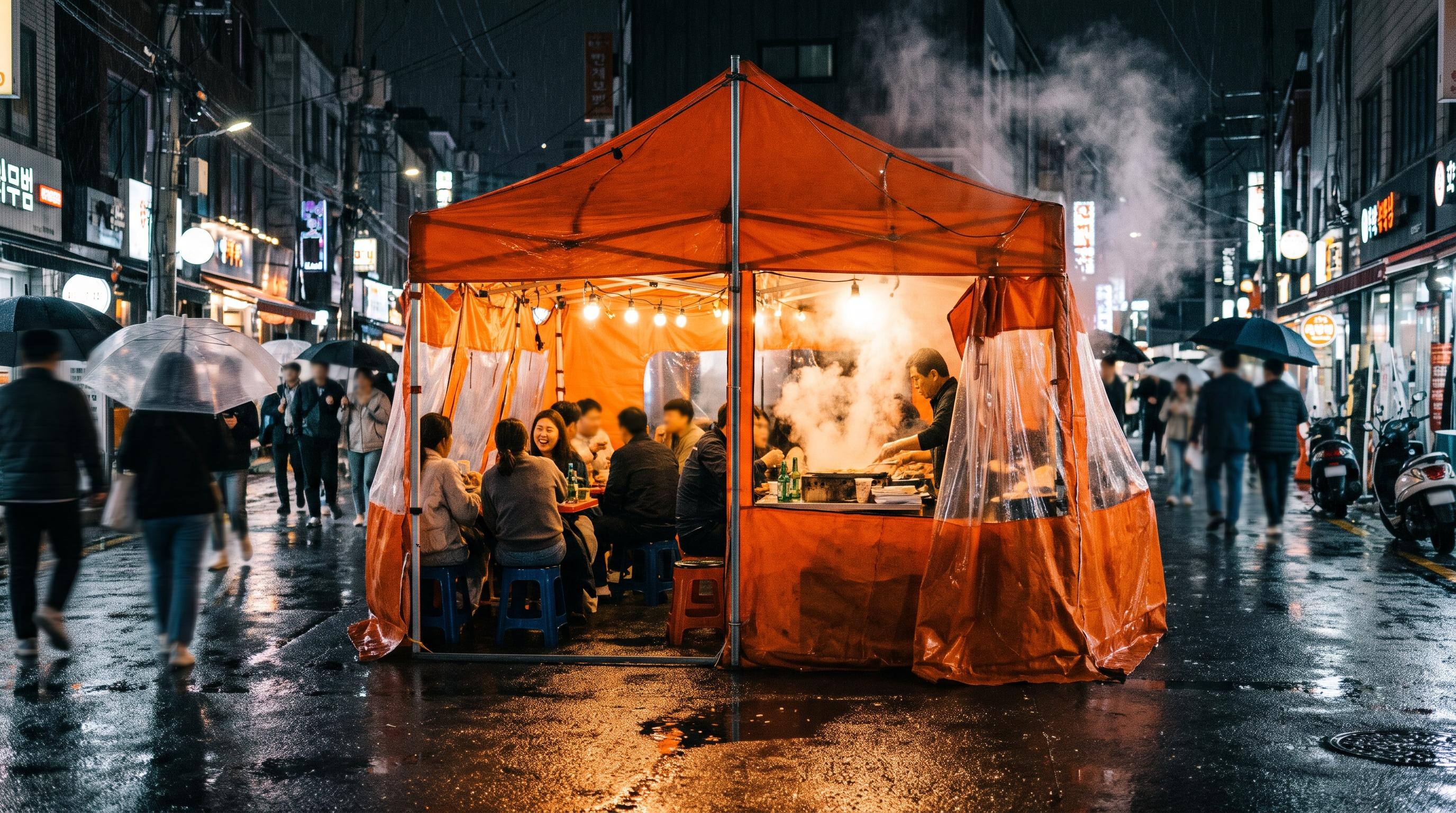
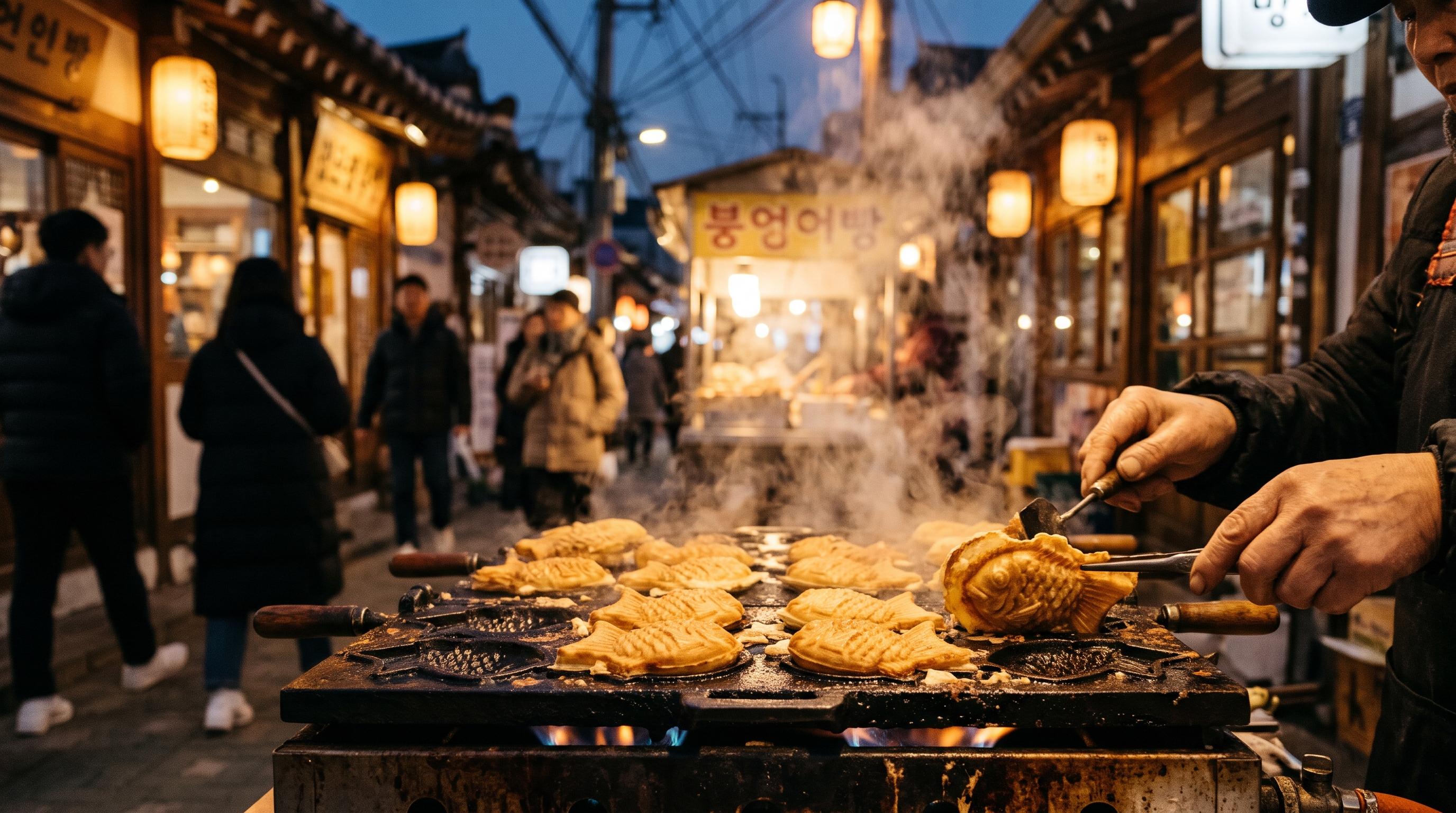
| Street Food & Markets | Crushed peanuts, walnuts, sunflower seeds, shared griddles | High Risk | Inspect cooking surface for sweet pancakes (hotteok) and walnut pastries (hodu-gwaja). |
| Traditional Royal & Braised Dishes | Pine nut powder garnish, whole pine nuts, walnut bits | Moderate to High | Request no garnish (gomyeong) on galbi-jjim, tteokgalbi, or sujeonggwa punch. |
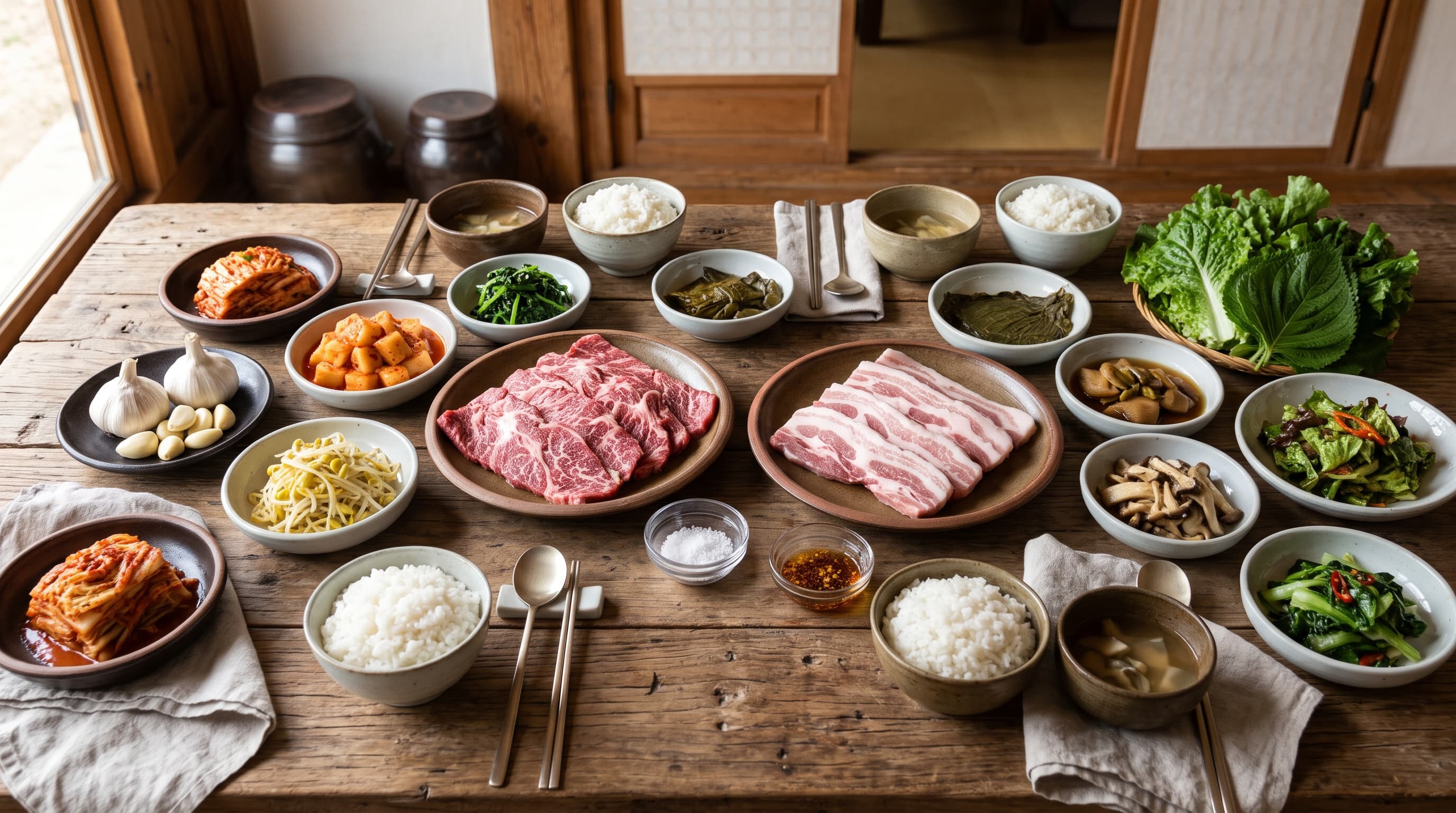
| Korean BBQ (Grill-at-Table) | Commercial ssamjang with crushed nuts; side dish marinades | Low to Moderate | Order unmarinated cuts (samgyeopsal, unseasoned hanwoo); season with pure salt and sesame oil. |
| Summer Specialty Noodles | Peanut powder or walnut paste blended into soybean broth | High Risk | Avoid kongguksu unless staff can verify 100% pure soybean base without nut additives. |
| Everyday Banchan (Side Dishes) | Soy-braised peanuts (ttangkong-jorim), blended salad dressings | Moderate Risk | Inspect side dishes upon arrival; decline braised peanut bowls immediately to avoid shared utensils. |
Crafting and Using an Effective Korean Food Allergy Card
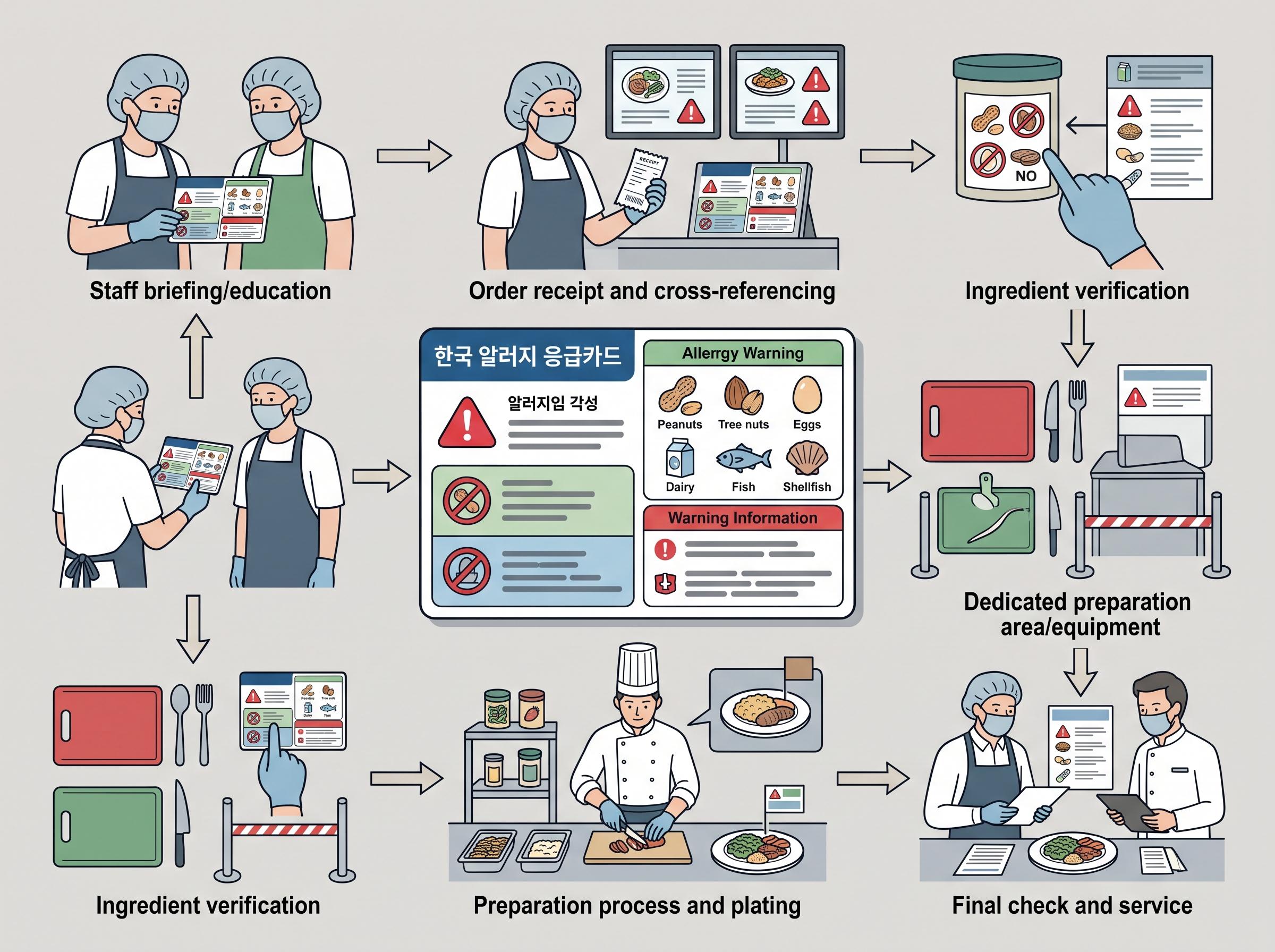
Relying solely on verbal English explanations in mid-tier or traditional restaurants outside tourist hubs creates significant risk. A well-constructed physical or laminated card written in Korean should distinguish medical anaphylaxis from voluntary preference. The message must state clearly that consuming peanuts, tree nuts, or trace oils derived from them triggers life-threatening medical emergencies and requires an immediate ambulance response.
The Korean text must list specific allergens explicitly by their native names: 땅콩 (peanut), 호두 (walnut), 잣 (pine nut), 아몬드 (almond), 캐슈넛 (cashew), 피스타치오 (pistachio), 헤이즐넛 (hazelnut), 마카다미아 (macadamia), and 도토리 (acorn). The card should contain explicit instructions: '저는 땅콩 및 견과류에 대한 중증 알레르기가 있습니다. 소량이라도 섭취하거나 조리기구가 닿으면 호흡 곤란으로 쓰러질 수 있습니다. 조리 시 견과류 가루, 기름, 고명이 닿지 않도록 주의 부탁드립니다. 이 음식이 안전하지 않다면 말씀해 주세요.' Having physical duplicates ensures you can hand one to the chef while keeping another at your table.
Medication Rules: Bringing Epinephrine Autoinjectors into South Korea
Travelers requiring emergency self-injectable epinephrine must plan their pharmacy supply carefully before arrival. In South Korea, epinephrine autoinjectors are non-controlled prescription medications and do not fall under the stringent restrictions of the Narcotics Control Act6. Under official guidelines for non-controlled prescription medicines, travelers entering South Korea may hand-carry up to six bottles or a three-month supply for personal use without prior permit applications from the Ministry of Food and Drug Safety45. Travelers must retain items in their original pharmacy containers with matching prescription labels and carry an English medical statement or prescription from their treating physician45. As of November 2026, customs rules permit up to six bottles or a three-month personal supply; however, import and customs regulations are subject to change without notice, so travelers should reconfirm current limits with Korea Customs Service prior to departure.
Never assume you can easily purchase a replacement epinephrine autoinjector at an ordinary retail pharmacy in Seoul. The EpiPen brand is not routinely distributed on retail shelves across South Korea, and the locally registered alternative autoinjector (Jext) is routed primarily through specialized hospital pharmacies and the Korea Orphan & Essential Drug Center, with occasional distribution constraints6. If your autoinjector is lost or discharged in Korea, go directly to the emergency department of a regional tertiary hospital rather than a neighborhood drugstore to receive immediate systemic epinephrine treatment. Travelers should carry at least two unexpired auto-injectors in their carry-on luggage with doctor documentation, keeping them accessible at all times during meals.
Emergency Response and Real-Time Interpretation Support Systems
If an accidental ingestion occurs, activating South Korea's national emergency services immediately is critical. Dialing 119 connects callers to the National Fire Agency emergency dispatch for fire and ambulance rescue7. The 119 emergency service operates 24 hours a day and features digital smartphone GPS tracking that pinpoints caller coordinates even if you cannot speak Korean7. When emergency dispatchers detect a non-Korean caller, the emergency response center connects multilingual interpretation and third-party translation lines to coordinate ambulance dispatch and triage medical symptoms in real time.
For non-emergency language barriers while ordering at a restaurant, travelers can contact the Korea Tourism Organization's 1330 Travel Helpline8. This public hotline runs 24 hours a day, 7 days a week, offering real-time English translation assistance over the phone or through mobile chat89. If kitchen staff appear hesitant or uncertain about your printed allergy card, calling 1330 allows an interpreter to speak directly with the cook, confirming whether ground nuts, seed paste, or shared pans present an unacceptable risk before any dish is prepared8.
Frequently asked questions
Q. Is peanut oil widely used for cooking food in South Korea?
A. No. Most standard Korean restaurants use soybean, corn, or canola oil for general frying and cooking due to commercial pricing. However, toasted sesame oil and perilla seed oil are universal, and peanut oil can occasionally be used in specialized Chinese, bakery, or pan-Asian fusion kitchens.
Q. Can I buy replacement epinephrine autoinjectors at local Korean pharmacies?
A. It is very difficult. Standard brand-name EpiPens are not marketed over the counter in Korea. The primary registered alternative autoinjector is Jext, which is dispensed primarily through tertiary university hospitals and specialized medical centers. Travelers should bring at least two autoinjectors from home.
Q. Which Korean dishes contain hidden tree nuts most frequently?
A. Watch out for pine nuts (jat) on braised meats like galbi-jjim and tteokgalbi, peanut powders added to cold summer soybean soup (kongguksu), traditional nut-and-seed filled street pancakes (ssiat hotteok), walnut pastries (hodu-gwaja), and certain complex ssamjang dipping pastes.
Q. How do Korean food labeling laws handle tree nuts like almonds and cashews?
A. Korean statutory food labeling laws require mandatory declarations for peanuts, walnuts, and pine nuts. Other tree nuts such as almonds, cashews, hazelnuts, and pistachios do not have individual mandatory disclosure mandates on packaged goods, making direct inquiries necessary.
Sources
- 식품 등의 표시ㆍ광고에 관한 법률 시행규칙 [별표 2]국가법령정보센터 (Ministry of Government Legislation)
- Prevalence of Immediate-Type Food Allergy in Korean Schoolchildren in 2015: A Nationwide, Population-based StudyAllergy, Asthma & Immunology Research (AAIR)
- Clinical Features and Culprit Food Allergens of Korean Adult Food Allergy Patients: A Cross-Sectional Single-Institute StudyAllergy, Asthma & Immunology Research (AAIR)
- Know Before You Go: INFORMATION ON CONTROLLED SUBSTANCEU.S. Embassy & Consulate in the Republic of Korea
- Bringing Medication into South Korea: Rules & MFDS PermitsInsight Bridge
- Can I bring EpiPen (Epinephrine autoinjector) to Korea?MedsToKorea
- Korean Emergency Numbers for Foreigners: Essential 2026 GuideNest Korea Community
- 1330 : Korea’s Tourist Information HotlineWorking Holiday Info Center (Overseas Koreans Agency)
- 1330 Travel Helpline & Complaint CenterVisitKorea (Korea Tourism Organization)