 Korea Experience Finder
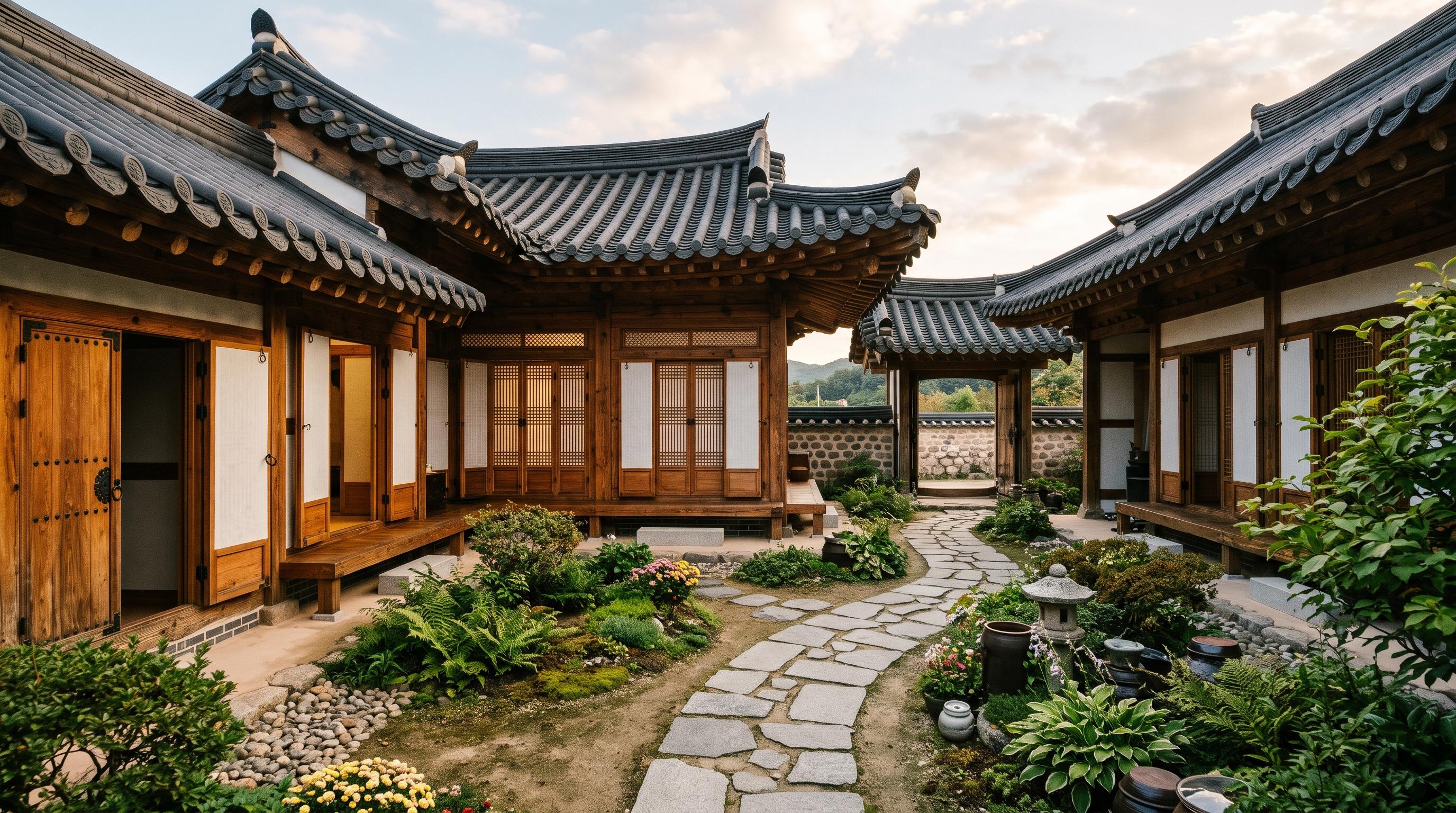
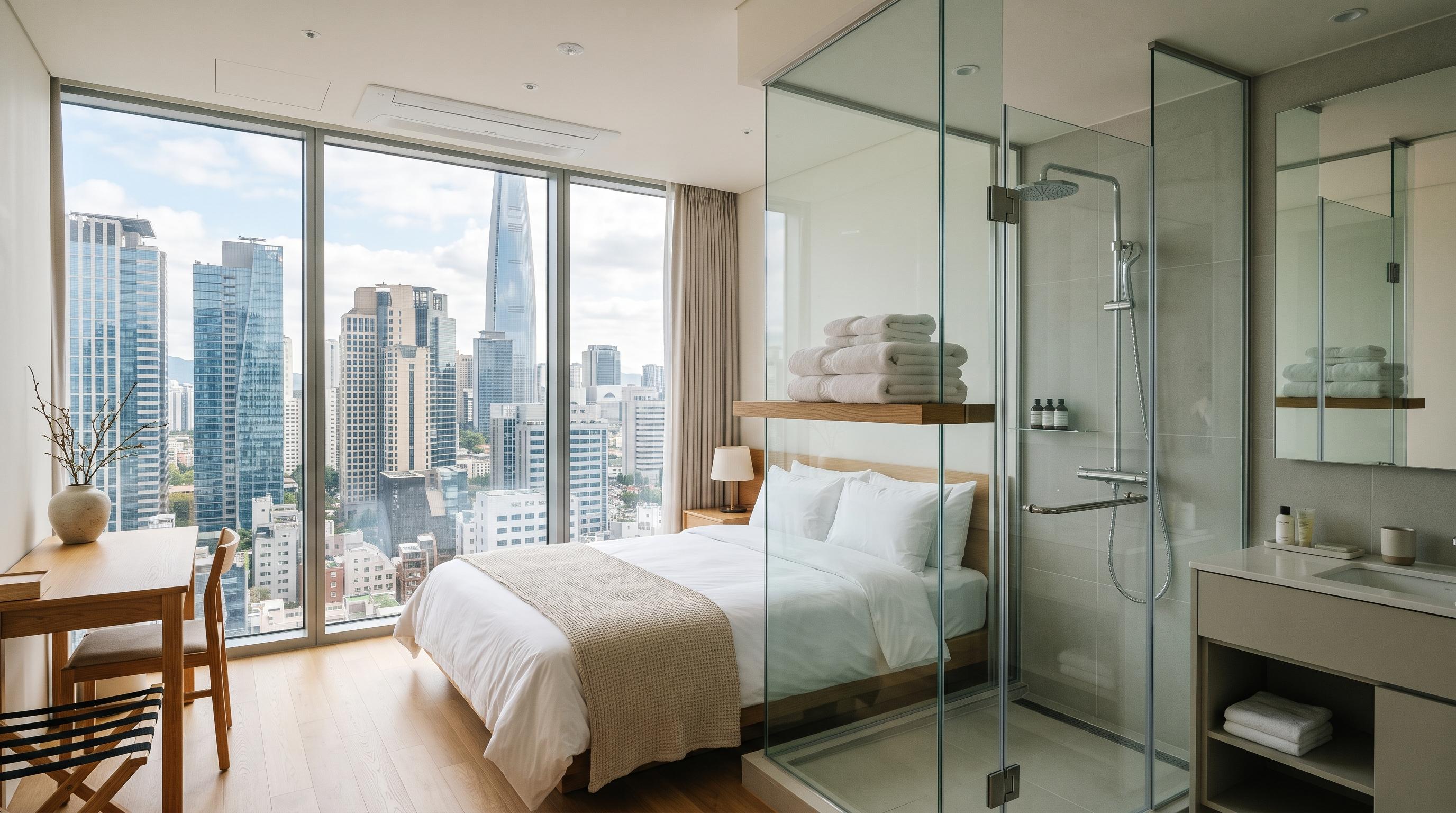
Traditional hanoks feature authentic floor bedding (yo), historic paper doors, and often shared or external bathrooms with minimal acoustic insulation. Modernized hanoks incorporate Western beds, private ensuite bathrooms, airtight double-glazed system windows, and advanced soundproofing while retaining traditional wooden post-and-beam architecture.
Defining the Hanok Stay Spectrum: Historic Heritage vs Contemporary Adaptation
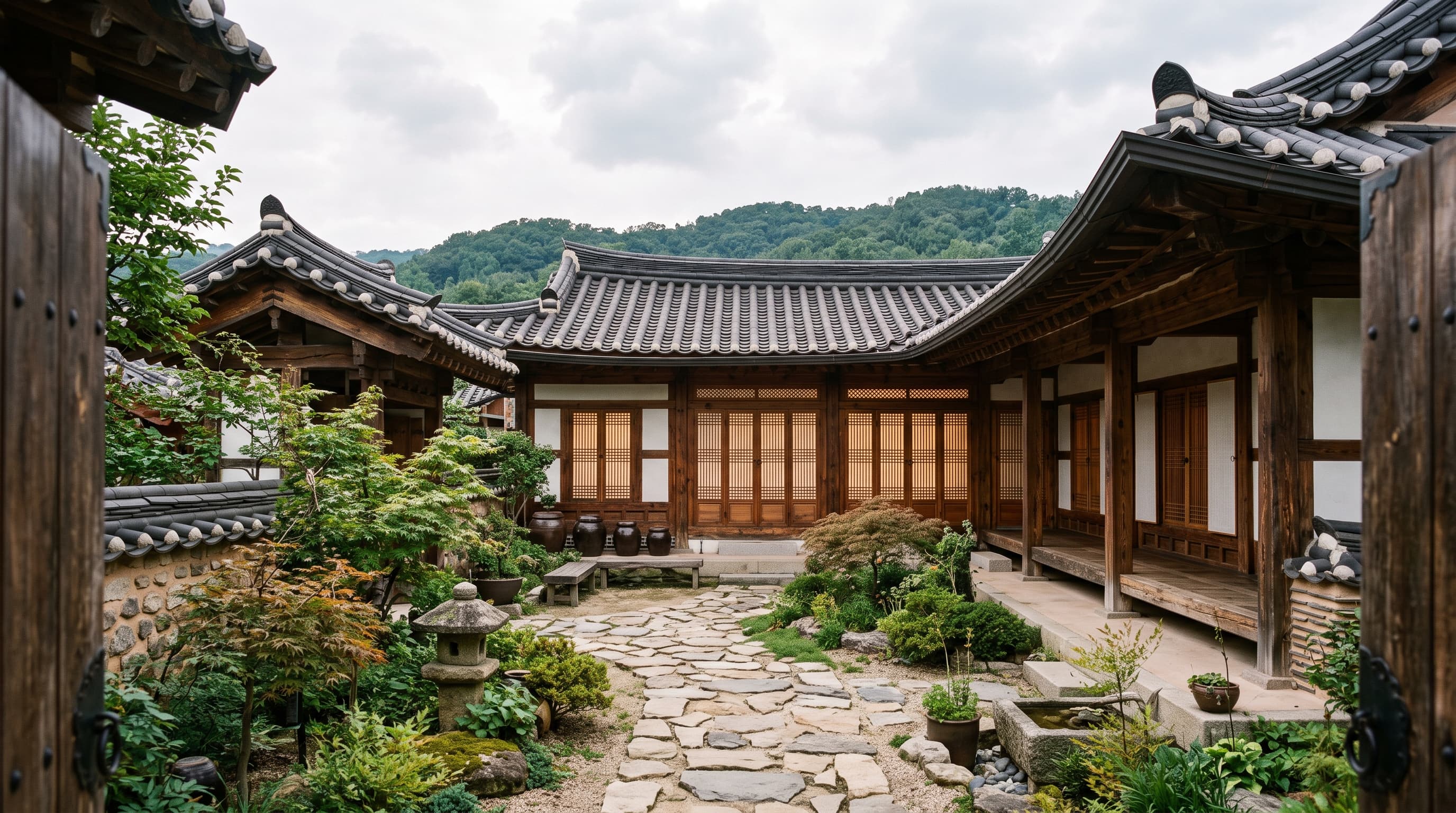
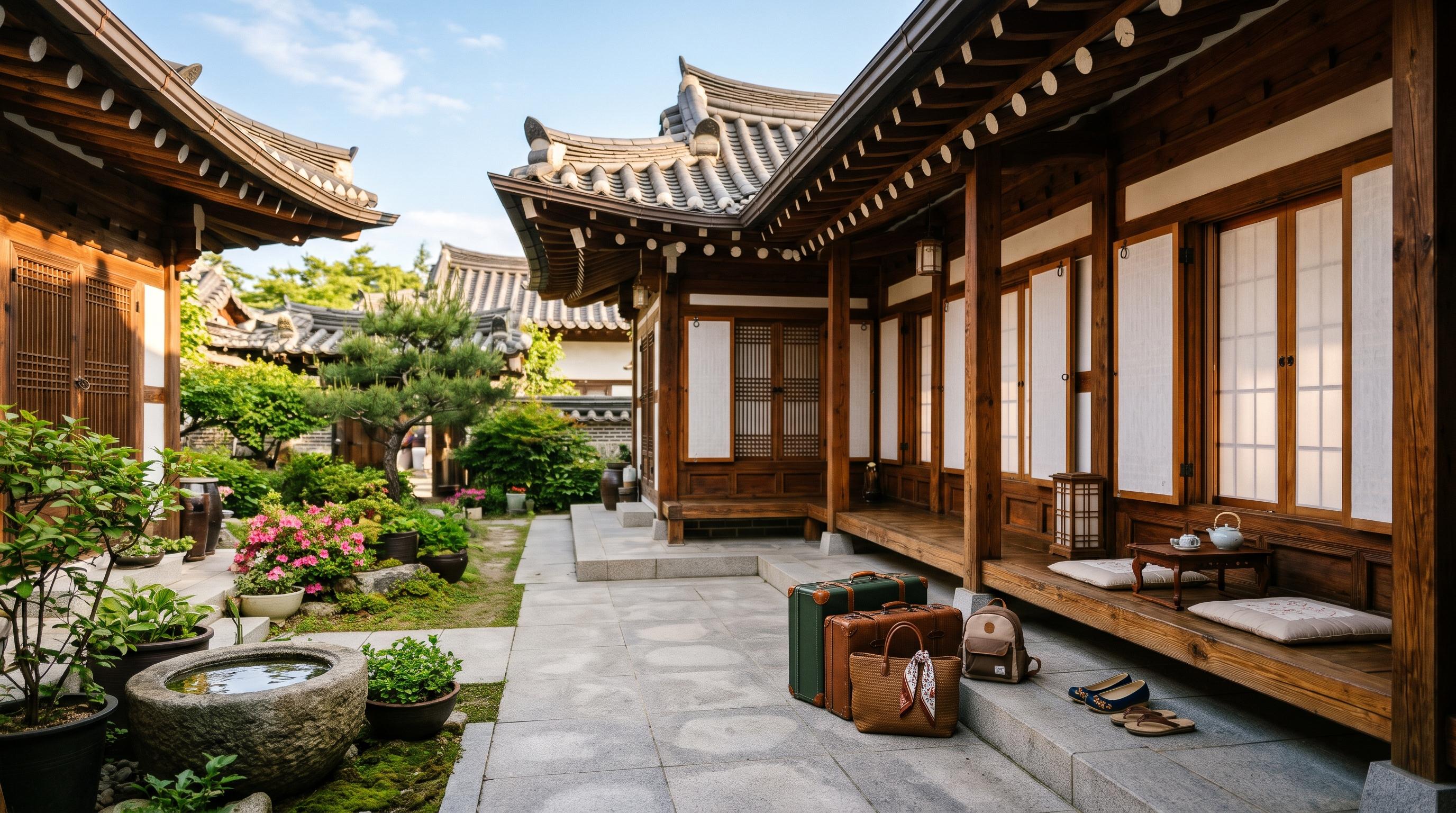
For travelers planning their first journey to South Korea, booking a night in a hanok—a traditional Korean timber-framed house—often sits near the top of the cultural itinerary. However, many first-time guests arrive expecting luxury hotel comforts beneath curved clay tile roofs, only to discover authentic architectural constraints such as firm floor mats, drafty paper lattice frames, and shared facilities down an outdoor walkway. Understanding the distinction between purely traditional lodgings and modern boutique interpretations is essential to aligning expectations with reality.
Under Korean administrative regulations, specifically the Enforcement Decree of the Tourism Promotion Act (Article 2, Paragraph 1, Subparagraph 3(g)), a registered hanok experience business (한옥체험업) is legally defined as an operation providing lodging or traditional cultural experiences within a wooden structure built according to statutory hanok criteria1. Registered operators must satisfy statutory building guidelines requiring timber posts and beams with traditional roof profiles, while fulfilling basic municipal safety checks including fire extinguishers and smoke detectors1. Within this official regulatory umbrella, properties diverge dramatically into two physical typologies: classic guesthouses preserving historic layouts with communal courtyards and modernized private residential hanoks renovated with contemporary domestic conveniences3.
Sleeping Arrangements: Traditional Floor Bedding (Yo) vs Western Mattress Beds
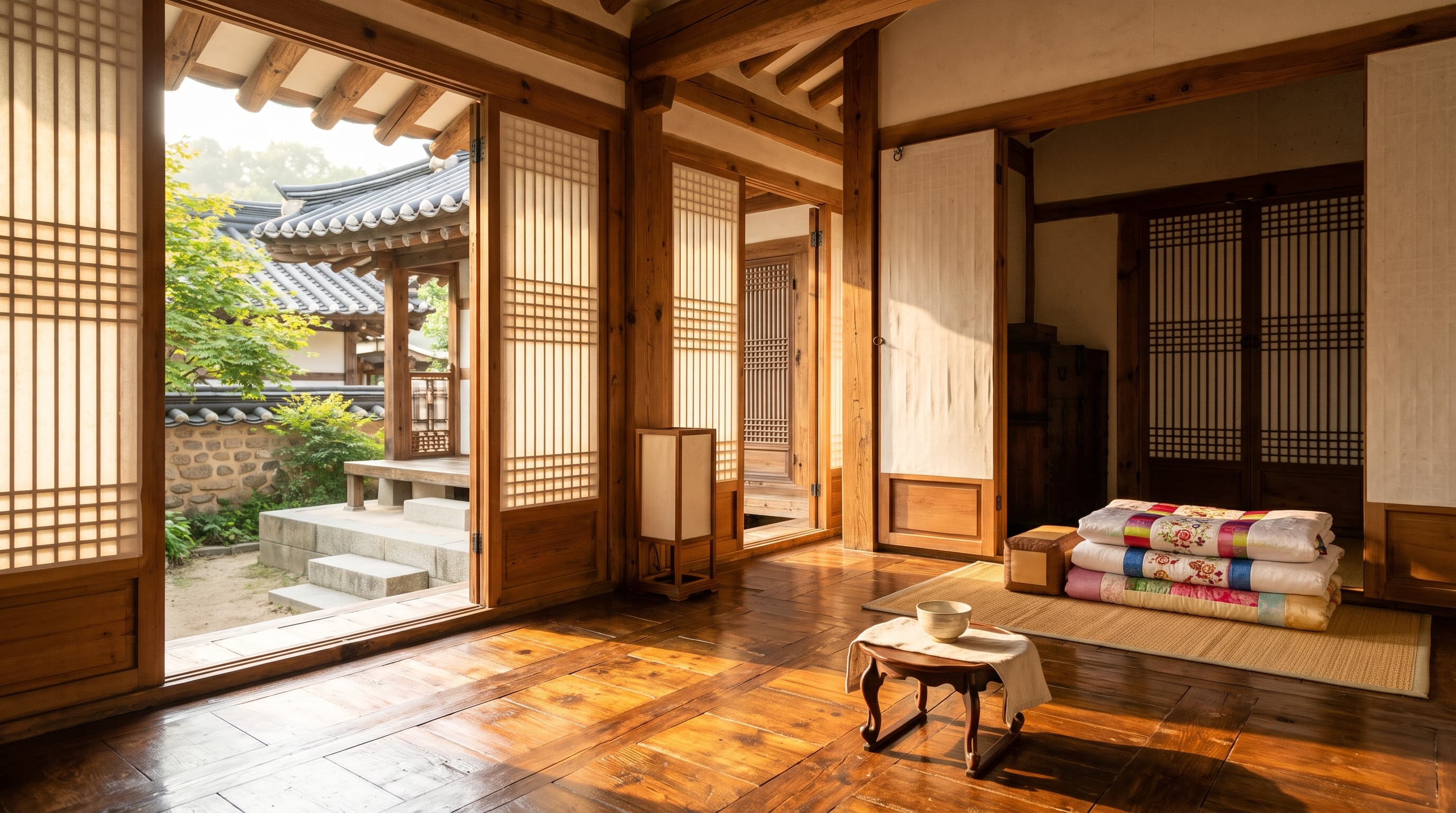
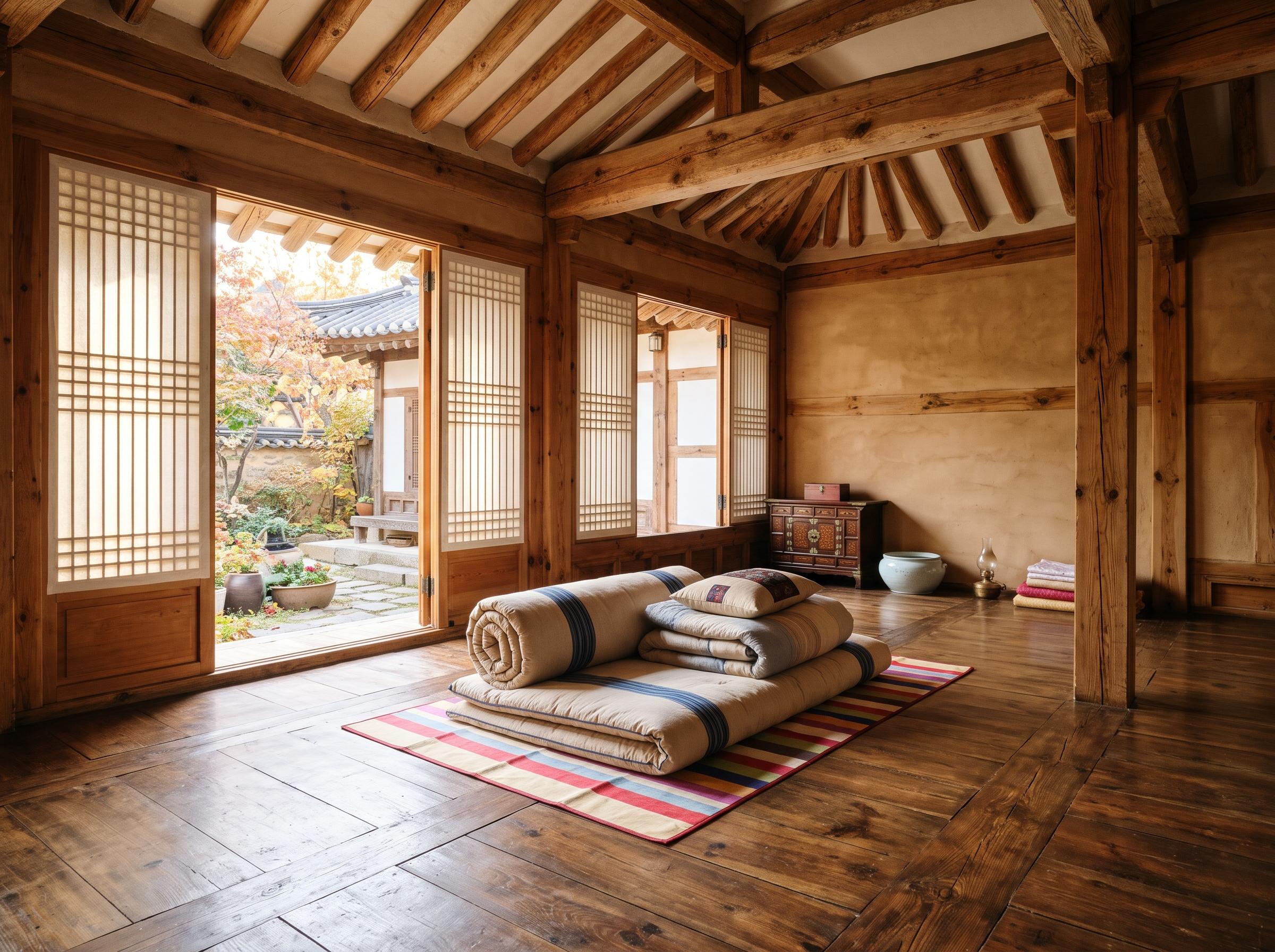
The sleeping arrangement represents the most immediate tactile shock for uninitiated international visitors. Classic Korean domestic architecture evolved around ondol (온돌), a radiant subterranean heating system where thermal energy historically coursed through subfloor stone channels warmed by kitchen hearth fires, heating the living surface directly3. Consequently, traditional Korean lifestyle is inherently floor-seated and floor-sleeping (좌식). In an authentic traditional hanok stay, guest rooms contain no Western raised bed frame. Instead, hosts supply a traditional bedding ensemble consisting of a yo (요, a firm cotton mattress pad laid directly on the heated floor), an ibul (이불, a warm quilt or duvet), and a firm pillow34.
While sleeping directly on an ondol-heated floor provides deeply therapeutic warmth during chilly autumn and winter months, travelers with chronic lower back pain, knee joint stiffness, or sensory sensitivity to firm sleeping surfaces often find a traditional thin yo challenging3. Modernized hanoks and boutique courtyard restorations frequently adapt to international traveler preferences by outfitting rooms with Western beds or thicker cushioned mattresses laid over hydronic ondol heated floors34. If your physical comfort requires sleeping elevated off the floor, confirming bed specifications before reserving is crucial, as traditional guesthouses rarely maintain Western frames on site4.
Acoustic Insulation and Environmental Drafts: Paper Screens vs Hybrid System Windows
Soundproofing is an inherent architectural vulnerability in unaltered traditional hanoks. Historic hanok walls and partitions feature sliding wooden lattice frames pasted with mulberry paper (hanji, 한지) alongside natural plaster surfaces26. While paper-pasted lattice excels at diffusing natural light and providing traditional charm, its physical sound-dampening capacity is minimal. Guests staying in traditional courtyard guesthouses can distinctly hear footsteps along exterior wooden verandas, conversation murmurs from adjoining rooms, and ambient neighborhood sounds3.
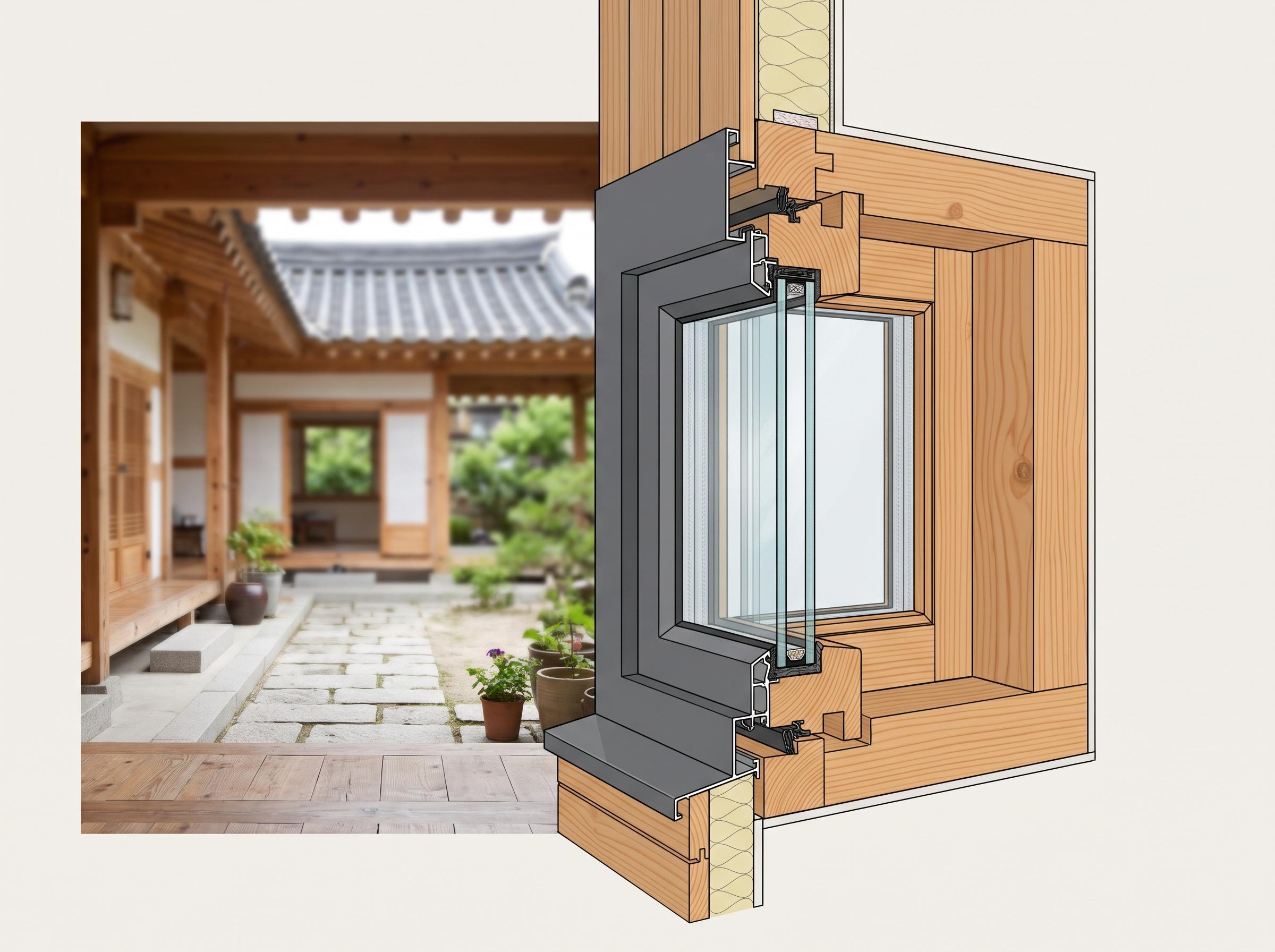
Modernized hanoks resolve this acoustic and thermal dilemma by implementing specialized Korean traditional system windows (한식시스템창호). These advanced fixtures integrate insulated double-glazed glass (복층 유리) into hybrid timber-and-aluminum frames fitted with airtight double rubber gaskets and specialized hardware5. In architectural retrofits, these high-performance traditional system windows achieve Class 1 airtightness ratings, significantly dampening external street noise and completely eliminating winter drafts (외풍) while preserving traditional visual aesthetics5.
Sanitary Facilities: Shared Courtyard Bathrooms vs Modern Ensuite Fixtures
Bathroom location and plumbing design mark another major operational divide between lodging formats. Historically, Korean latrines were placed away from living quarters for sanitary separation. While some traditional guesthouses and historic properties still maintain detached or communal bathroom facilities located down the outdoor hallway or across the open courtyard (madang), other properties have been updated to varying degrees36. Travelers visiting in sub-zero winter temperatures may find traversing an unheated outdoor veranda to reach a shared facility noticeably inconvenient.
In contemporary private hanoks and upscale boutique renovations, architects excavate subfloor plumbing channels to install private, fully sealed ensuite bathrooms directly adjacent to the bedroom quarters. These renovated spaces routinely feature Western flush toilets, heated bidet seats, and modern walk-in thermostatic showers36. In exclusive private hanok rentals across historic central Seoul neighborhoods like Seochon and Bukchon, renovated layouts even incorporate custom sunken soaking tubs opening toward serene interior gardens3. Travelers prioritizing privacy should always check listing details to verify whether a room offers a dedicated private ensuite bathroom.
Comprehensive Comparison: Traditional vs Modernized Hanok Stays
To help determine which lodging category suits your travel group and personal tolerance for rustic elements, the following matrix breaks down practical everyday differences across key operational criteria as observed in Korea's registered hanok accommodations as of November 2026.
| Evaluation Category | Traditional Hanok Stay | Modernized / Contemporary Hanok Stay |
|---|---|---|
| Sleeping Arrangement | Cotton floor bedding (yo and ibul) placed on heated floor; no raised bed frames | Western bed frames with spring/foam mattresses, or premium high-density toppers |
| Acoustic Privacy | Thin plaster mud walls and paper lattice doors; audible ambient and room noise | Acoustic stud interior walls and double-glazed insulated system windows |
| Climate Control & Drafts | Authentic ondol floor heat; prone to winter drafts through traditional lattice joinery | Hydronic boiler ondol, split-system heat pumps/AC, airtight double glazing |
| Bathroom Facilities | Often shared or detached external bathrooms across the open courtyard | Private ensuite modern bathrooms with Western fixtures, bidets, and soaking tubs |
| Rental Structure | Frequently booked as individual private guestrooms with shared communal courtyards | Often rented as exclusive full-house buyouts (dokchae, 독채) for total privacy |
| Ideal Traveler | Solo travelers and cultural purists seeking authentic heritage atmosphere | Families, couples, and light sleepers requiring standard hotel-grade comforts |
Booking Checkpoints, Safety Regulations, and Neighborhood Rules
When finalizing a hanok reservation, travelers should always inspect regulatory and legal compliance. Legitimate operations in Korea register under the Tourism Promotion Act as a hanok experience business (한옥체험업), ensuring the property undergoes mandatory fire safety and municipal sanitation inspections1. Because hanoks are predominantly constructed from timber, statutory guidelines mandate that operators maintain active fire extinguishing equipment and smoke detectors on site to mitigate fire hazards14.
Neighborhood context also dictates the nighttime guest experience. Under local administrative designations in Seoul, Bukchon Hanok Village enforces a visiting-hour window (10:00 AM to 5:00 PM in the designated Red Zone) for general tourists, though registered hanok stay guests and residents are exempt with booking confirmation3. However, all accommodations strictly enforce late-night quiet hours to respect residential neighbors3. Because municipal visiting policies and local district ordinances can be updated over time, travelers should confirm current neighborhood access details and check-in procedures with their accommodation host prior to arrival as of November 2026.
Frequently asked questions
Q. Can I request a Western bed in a traditional hanok stay?
A. Generally no. Authentic traditional hanoks are built around floor living and do not have space or furnishings for Western bed frames. However, most hosts can provide an extra cotton mattress pad (yo) upon advance request to add cushioning for your back.
Q. Is sleeping on an ondol floor uncomfortable for international travelers?
A. It depends on personal sleep habits. The direct warmth radiating from the ondol floor is deeply soothing, especially in winter. However, because the traditional cotton yo is firmer than a Western mattress, side sleepers and individuals with joint or spinal discomfort may find it firm.
Q. Are private bathrooms guaranteed when booking a hanok?
A. No. While modern renovated hanoks almost always feature private ensuite bathrooms, traditional courtyard guesthouses often use shared or detached facilities located across the outdoor veranda. Always check room amenity listings for 'private ensuite bathroom' before booking.
Q. Why is soundproofing a common issue in traditional hanok stays?
A. Historic hanok architecture relies on timber frames and sliding wooden lattice doors layered with breathable mulberry paper (hanji). These organic materials do not block acoustic transmission, meaning ambient courtyard sounds and neighbor murmurs carry easily.
Sources
- 한옥체험업 등록 가이드: 기준부터 절차까지 총정리인혜가 (Inhega)
- 서울한옥 수선 및 공사 매뉴얼 자료서울특별시 서울한옥포털 (Seoul Hanok Portal)
- Hanok Stay in Seoul: Areas, Ondol Rooms, Rules and BookingBEAUTIPIN SEOUL
- Hanok Accommodations - VISITKOREA한국관광공사 (Korea Tourism Organization)
- 첨단한옥창호, 에너지 비용 줄이는 한식시스템창호 시공 사례 공개투데이에너지 (Today Energy)
- Hanok Traditional Houses | Official Korea Tourism Organization한국관광공사 (Korea Tourism Organization)