 Korea Experience Finder
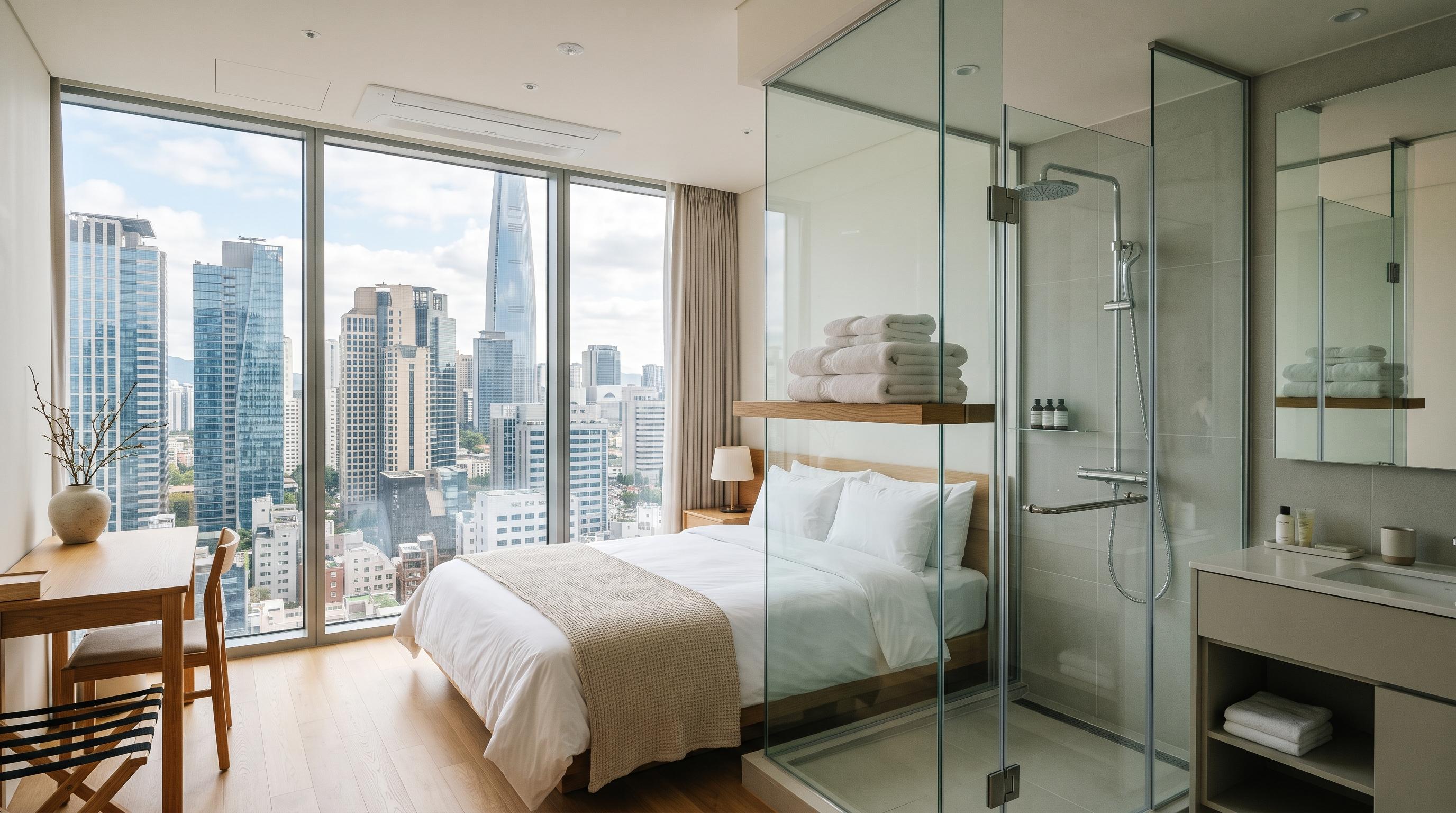
South Korean law bans hotels with 50 or more rooms from offering free disposable toothbrushes, razors, toothpaste, and mini shampoo bottles to curb plastic waste.
The Legal Mandate: The 2024 Amendment to the Resource Recycling Act
Travelers checking into hotels across South Korea frequently encounter an empty vanity counter where complimentary toothbrush kits and disposable razors once sat. This change is not a cost-cutting initiative decided by individual hotel chains, but a national statutory mandate enforced across the country1. Under Article 10, Paragraph 1, Item 3 of the Act on the Promotion of Saving and Recycling of Resources (often cited as the Resource Recycling Act), accommodation facilities operating 50 or more guest rooms are prohibited from providing specified disposable amenities free of charge12.
The amended legislation officially took effect on March 29, 2024, following a multi-year regulatory ramp-up designed to curb single-use plastics in the hospitality sector23. Before this date, lodging businesses were permitted to offer packaged plastic dental kits, disposable razors, and miniature bottled cosmetics without restriction. Under the current legal framework, accommodation providers that distribute non-biodegradable single-use items to guests at zero cost face administrative fines of up to 3 million KRW under Article 41 of the Act, with tiered penalties starting at 500,000 KRW for a first violation13. Consequently, luxury properties and international chains in Seoul, Busan, and Jeju have uniformly removed complimentary disposable vanity products from guest bathrooms.
Scope, Room Thresholds, and Exempt Lodging Categories
Understanding how the law applies requires examining the precise legal definition of accommodation facilities under South Korean public health codes. The restriction strictly targets businesses registered as accommodation providers under Article 2, Paragraph 1, Item 2 of the Public Health Control Act that maintain 50 or more guest rooms14. If an establishment operates 49 rooms or fewer, it falls outside the statutory prohibition and may legally continue offering complimentary single-use amenities at its own discretion4. This creates noticeable discrepancies between large business hotels and smaller boutique motels across Korean cities.
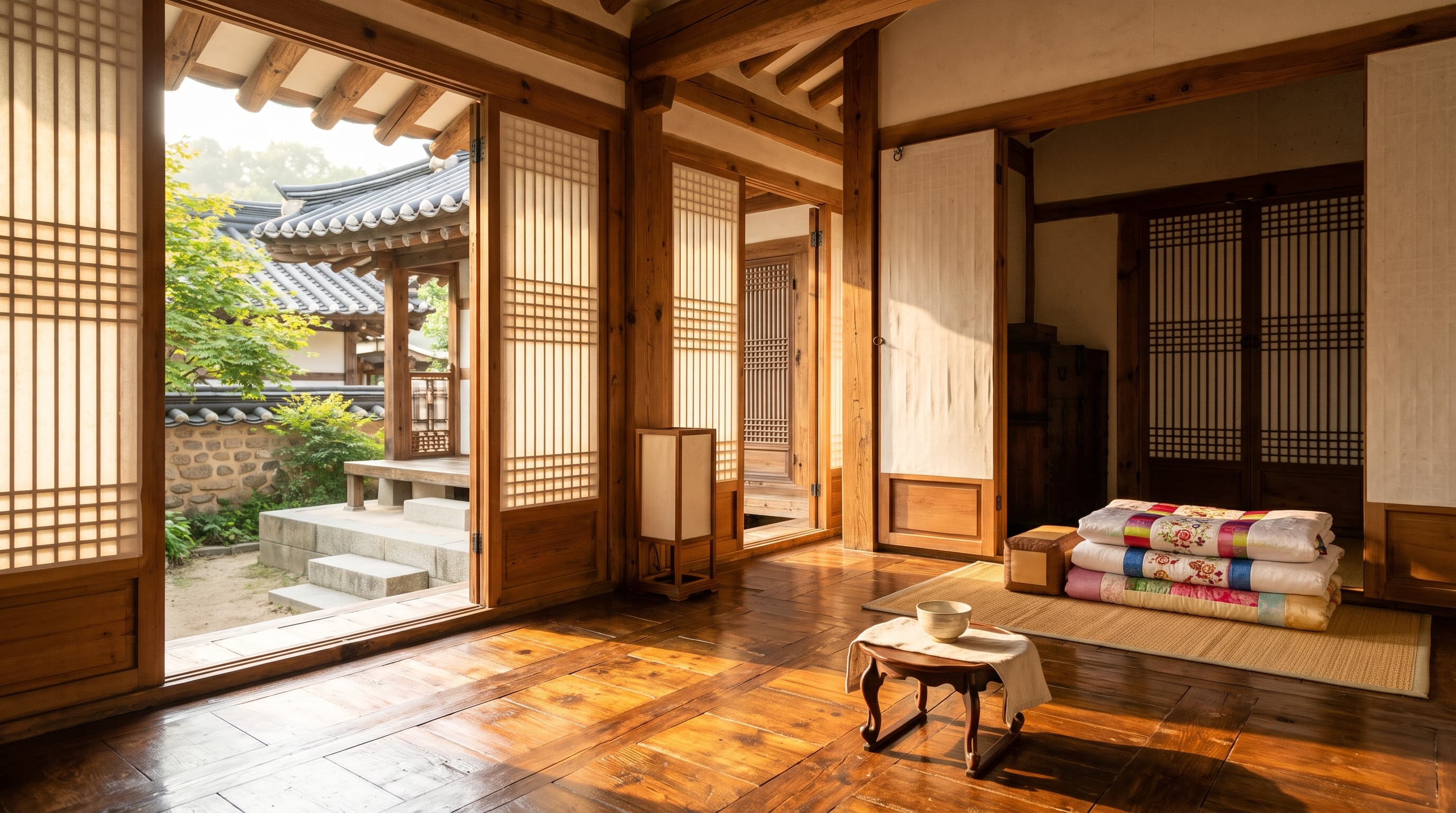
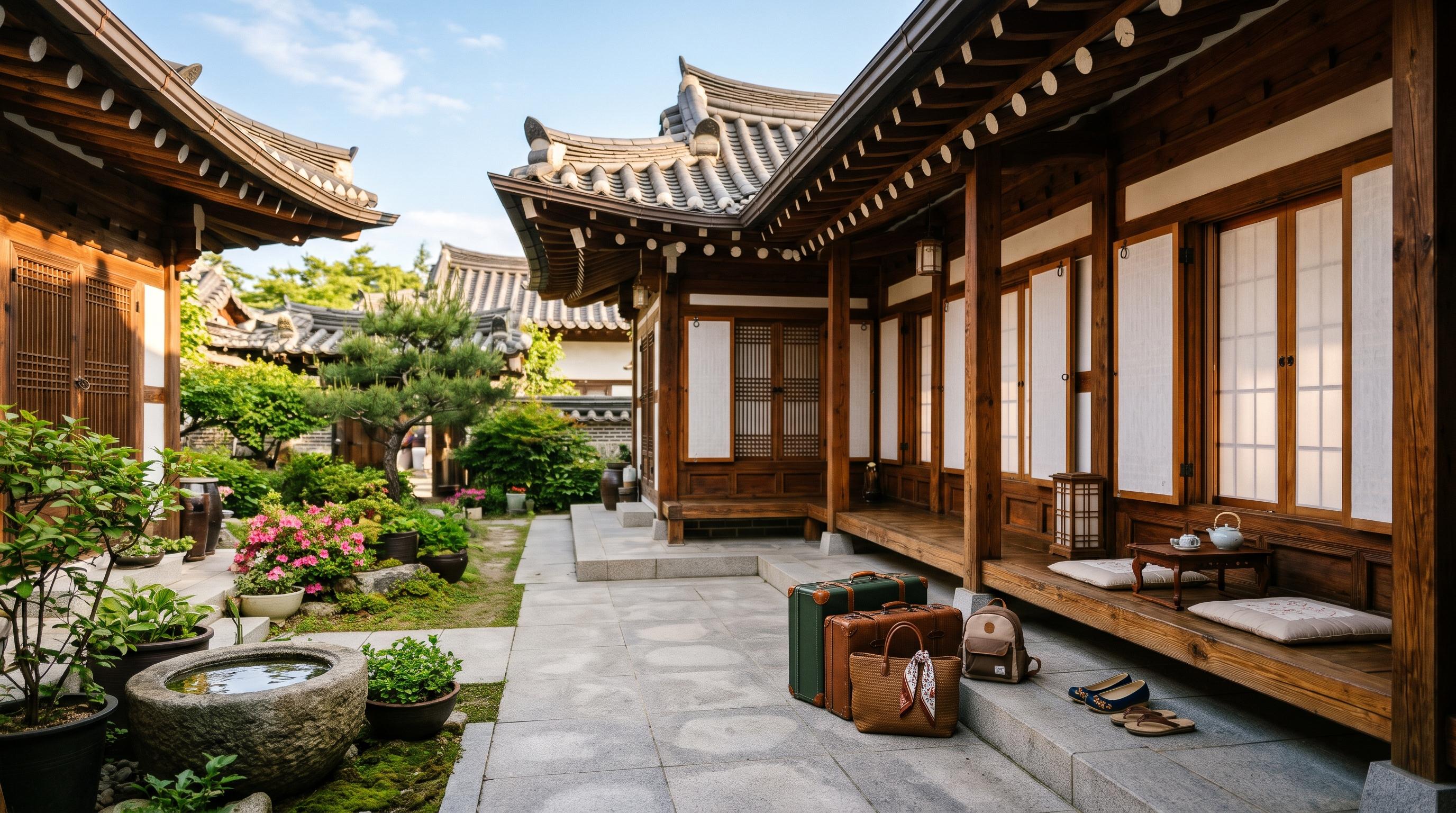
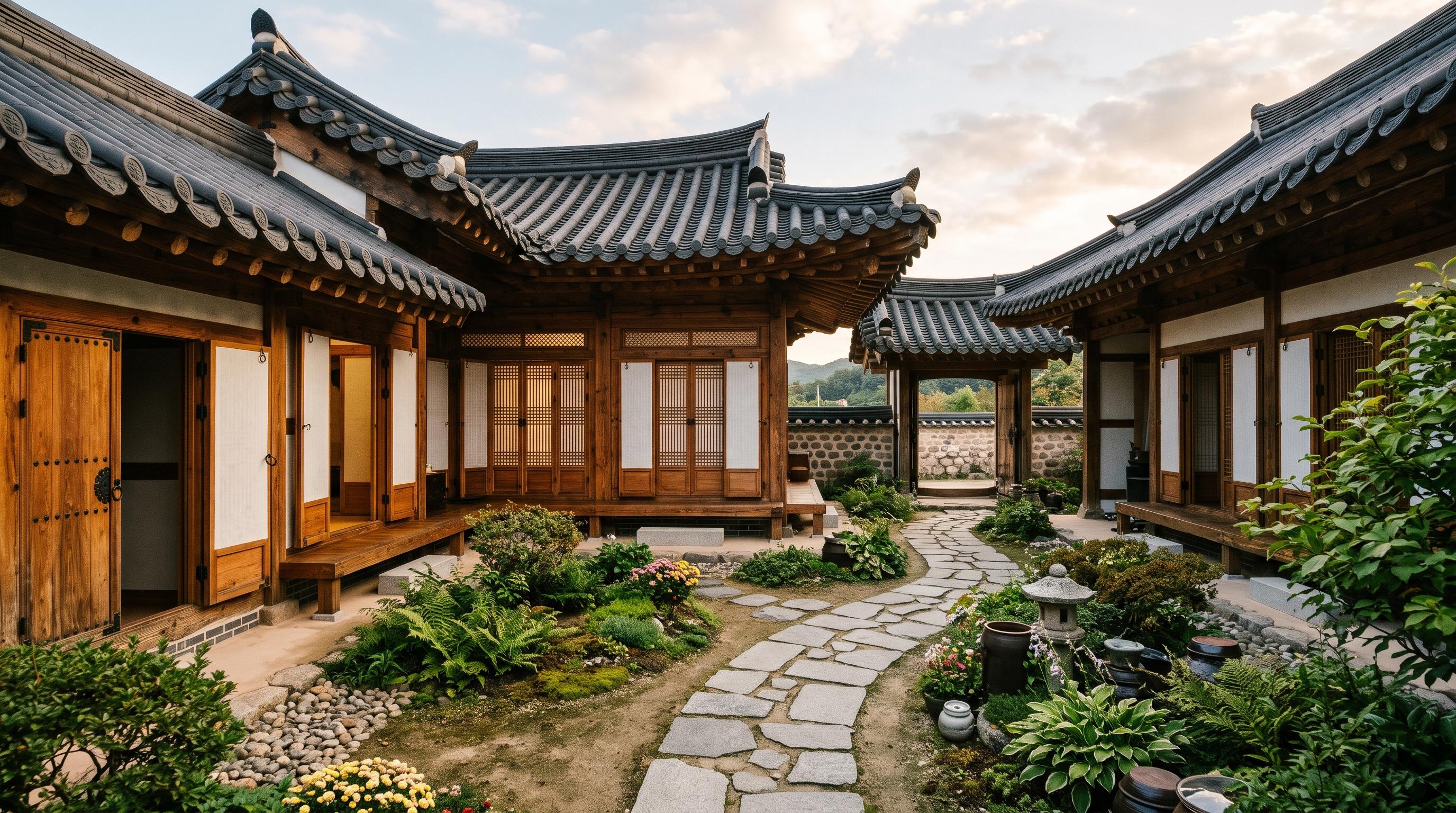
Furthermore, several alternative accommodation classifications are explicitly excluded from the Public Health Control Act's accommodation definition and are therefore exempt from the mandatory ban4. Traditional Hanok stay experience facilities (한옥체험업), urban foreign tourist homestays (외국인관광 도시민박업) such as licensed Airbnb apartments, rural guest houses (농어촌민박사업), and forest recreation lodges are not legally constrained by the 50-room disposable amenity rule4. Additionally, the statute contains a narrow material carve-out: items fabricated from certified biodegradable resin (생분해성수지제품) may legally be provided free of charge, though high production costs mean only a handful of luxury lifestyle properties utilize this exception15.
| Accommodation Category | Room Capacity Threshold | Complimentary Disposable Amenities Permitted? | Statutory Basis / Enforcement Details |
|---|---|---|---|
| General & Tourist Hotels (공중위생관리법 숙박업) | 50 rooms or more | No (Prohibited by law) | Resource Recycling Act Art. 10; fines up to 3,000,000 KRW for free distribution |
| Small Motels & Boutique Inns | Fewer than 50 rooms | Yes (At property discretion) | Excluded from statutory threshold; may choose to provide or withhold kits |
| Urban Tourist Homestays (Foreigner Guest Houses) | Any capacity (Tourism Promotion Act) | Yes (Exempt from ban) | Excluded from Public Health Control Act accommodation definition |
| Traditional Hanok Stays (한옥체험업) | Any capacity (Tourism Promotion Act) | Yes (Exempt from ban) | Statutory exemption under Public Health Control Act Enforcement Decree |
| Certified Eco-Accommodations | 50 rooms or more | Yes (Biodegradable resin only) | Resource Recycling Act Art. 10, Par. 1 proviso for certified biodegradable items |
What Korean Hotels Still Provide vs. What Has Disappeared
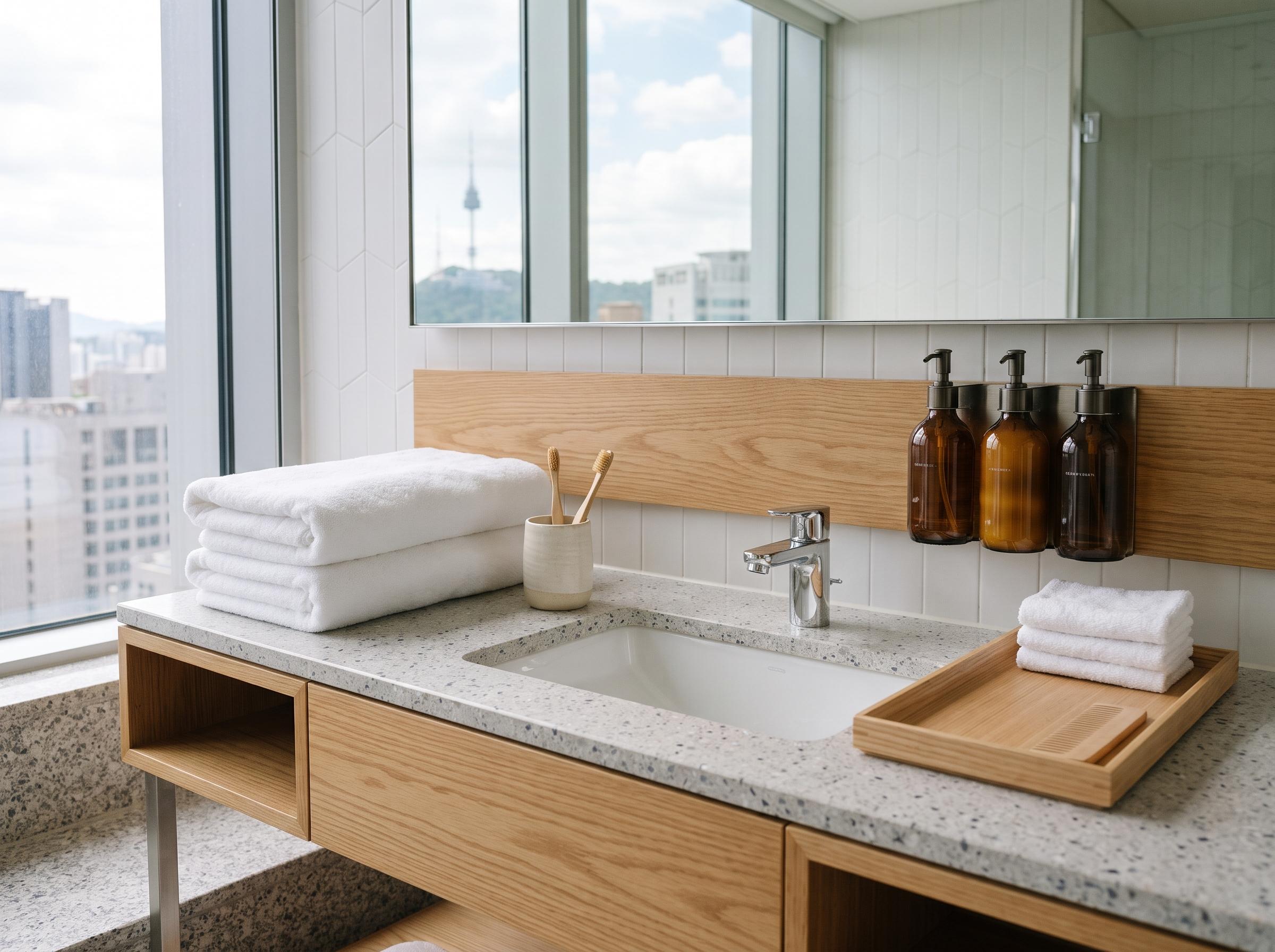
A common point of confusion among international travelers is assuming that Korean hotel bathrooms are stripped of all hygiene supplies. This is not the case. The ban specifically outlaws five primary categories of disposable guest amenities: single-use toothbrushes, disposable toothpaste packets or tubes, single-use shaving razors, single-use shampoos, and single-use hair rinses/conditioners33. To remain compliant while maintaining basic hospitality standards, major hotel operators—including Lotte, Shilla, and Josun—transitioned their bathrooms to permanent, refillable wall-mounted dispensers or locked bulk pump bottles5.
When checking into a standard 3-star to 5-star Korean hotel, guests can reliably expect wall-mounted or securely tethered pump containers filled with liquid shampoo, hair conditioner, body wash, and liquid hand soap5. Bath sheets, hand towels, floor bath mats, electric hair dryers, and sanitation-sealed bathroom tumblers remain standard in-room provisions. What has completely disappeared from the complimentary lineup is any personal oral-care kit, disposable razor cartridge with shaving cream, disposable comb, shower cap, and cotton bud packets. Where available inside the room, vanity kits are either placed inside an unsealed minibar tray with an itemized price slip or sold through front desk amenity vending machines35.
Comprehensive Packing Checklist for Travelers to South Korea
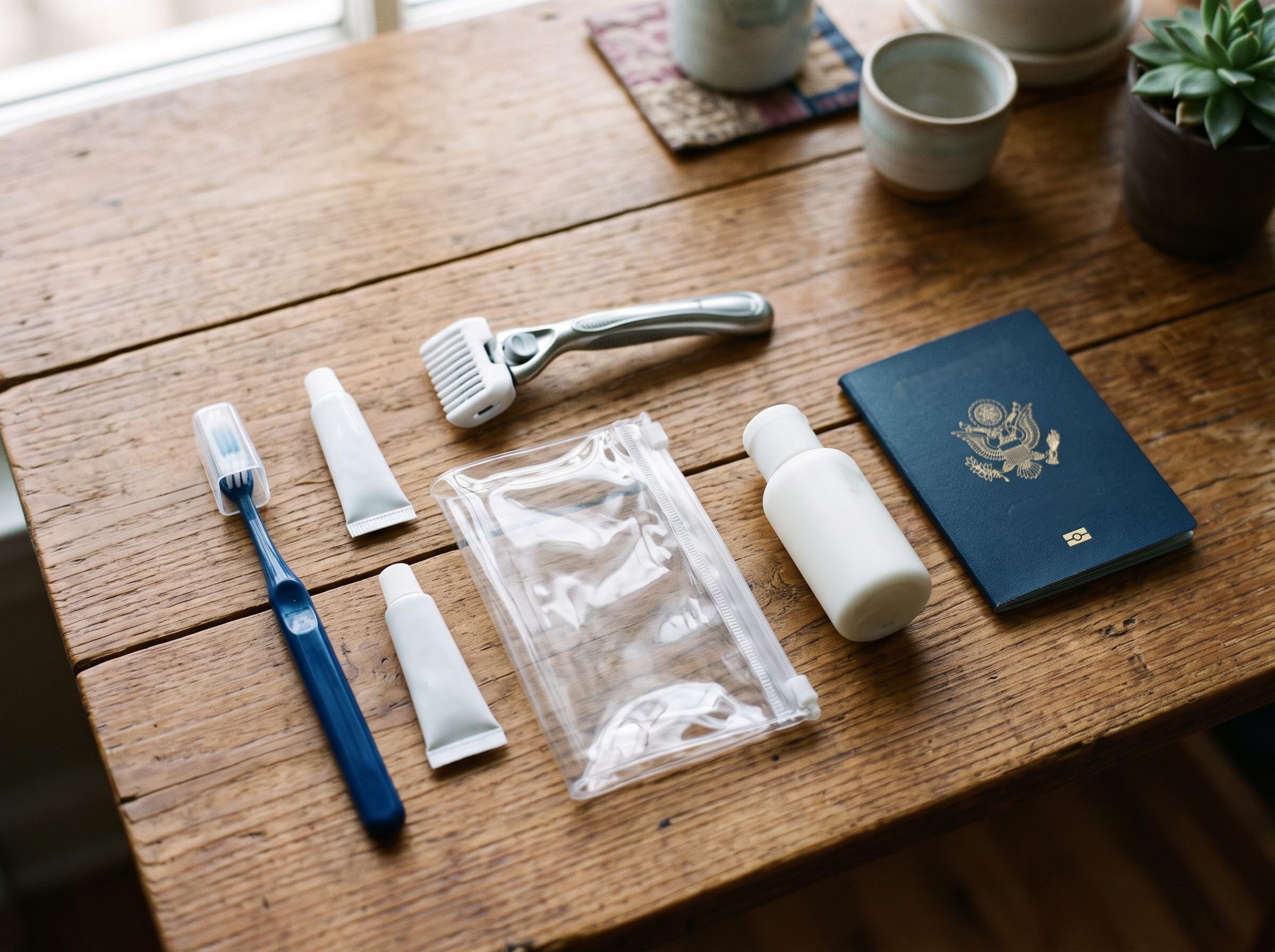
Preparing a dedicated personal grooming pouch before departure prevents unexpected late-night expenses and ensures comfort during multi-city itineraries across South Korea. Because international flights impose strict limits on carry-on liquids—restricting containers to 100 milliliters (3.4 ounces) or less packed inside a clear, resealable one-liter bag—travelers should organize toiletries according to luggage type. Solid toiletries, including standard manual toothbrushes and solid tooth powders, bypass carry-on liquid scrutiny entirely.
The essential packing list for staying in South Korean accommodations includes the following core items:
On-the-Ground Solutions: Convenience Stores, Olive Young, and Daiso
If you arrive at your hotel without toiletries or misplace your toiletry pouch in transit, obtaining replacements in South Korea is swift, affordable, and accessible 24 hours a day. Major 24-hour convenience stores—including CU, GS25, 7-Eleven, and Emart24—operate within walking distance of nearly every urban hotel in South Korea. These retail outlets stock dedicated travel sections containing plastic-cased toothbrush-and-paste combos from domestic oral-care brands like Perioe and 2080, typically priced between 2,500 KRW and 4,500 KRW, alongside disposable twin-blade and triple-blade razors priced between 1,500 KRW and 3,000 KRW.
For travelers seeking premium grooming formulas, sensitive skin solutions, or full-sized oral products, Olive Young functions as South Korea's premier health and beauty retail chain. With hundreds of branches across downtown districts like Myeongdong, Hongdae, and Gangnam, Olive Young offers travel-sized skincare sets, premium dental pastes, and safety razors. Alternatively, budget-conscious travelers can visit Daiso, where complete travel sets, empty TSA-compliant pump bottles, and multi-pack toothbrushes are consistently priced between 1,000 KRW and 3,000 KRW. Hotel front desks also sell emergency kits, though prices are generally marked up compared to street-level convenience stores3.
Avoiding Common Traveler Pitfalls and Practical Misconceptions
A common mistake among international visitors is assuming that paying a high nightly rate at a 5-star international luxury hotel exempts the property from local environmental laws. Under the Resource Recycling Act, ultra-luxury brands such as Four Seasons, Grand Hyatt, Signiel, and Josun Palace are bound by the exact same statutory constraints as mid-scale business chains12. In fact, luxury hotels face intensified regulatory scrutiny regarding single-use compliance. Front desk staff cannot provide free toothbrushes upon verbal request, and asking for complimentary disposables will result in polite guidance to the minibar price list or lobby retail kiosk35.
Another operational nuance involves billing transparency. The Ministry of Environment has clarified that hotels cannot circumvent the regulation by bundling disposable amenity kits into the overall room rate without offering an opt-out mechanism3. To avoid regulatory penalties, properties must clearly delineate vanity kits as separately purchasable items3. When checking into an unstaffed smart hotel or boutique residence, verify whether the property provides basic bulk dispensers before retiring for the night. Carrying a compact personal grooming pouch ensures seamless check-ins regardless of accommodation size or legal classification across South Korea.
Frequently asked questions
Q. Can I get a free toothbrush by asking the hotel front desk in South Korea?
A. No. Hotels with 50 or more rooms are legally prohibited from distributing single-use toothbrushes for free. Staff face administrative fines of up to 3 million KRW for violations and will require you to purchase an amenity kit instead.
Q. Do Korean hotels still provide soap, shampoo, and bath towels?
A. Yes. Hotels provide bath towels, hair dryers, and multi-use bulk dispensers for liquid hand soap, body wash, shampoo, and hair conditioner. The ban applies to single-use miniature bottles and disposable items like toothbrushes and razors.
Q. Why did my boutique Hanok or guesthouse give me free disposable toiletries?
A. Accommodations with fewer than 50 rooms, as well as licensed Hanok stay facilities and urban homestays registered under the Tourism Promotion Act, are exempt from the mandatory disposable amenity ban under current public health and recycling laws.
Q. How much does a travel toothbrush and razor cost at a Korean convenience store?
A. At 24-hour convenience stores such as CU or GS25, a travel toothbrush-and-paste kit generally costs between 2,500 KRW and 4,500 KRW, while disposable razors range from 1,500 KRW to 3,000 KRW.
Sources
- 자원의 절약과 재활용촉진에 관한 법률 제10조 (1회용품의 사용 억제 등)국가법령정보센터 (National Law Information Center)
- 앞으로 호텔에서 일회용 칫솔, 일회용 세면도구 무료로 제공할 수 없습니다대한민국 법제처 (Ministry of Government Legislation)
- 숙박시설 일회용품 무상 제공 금지 시행 한 달... 현장에서는?숙박매거진 (Sukbak Magazine)
- 목욕탕, 숙박업 및 체육시설 등의 범위 < 1회용품 줄이기코라이브 / 법제처 찾기 쉬운 생활법령정보
- 해외는 숙박비 인하하는데…호텔 일회용품 무상 제공 금지에 소비자 부담만 늘어비즈한국 (BizHankook)